

Protecting North Carolina's Sharks
North Carolina boasts an incredible diversity of shark species, more than any other state on the Eastern Seaboard. Yet, many of these magnificent creatures face grave threats from human activities. At NC Shark Savers, we're dedicated to shedding light on these issues and empowering you to make a difference.
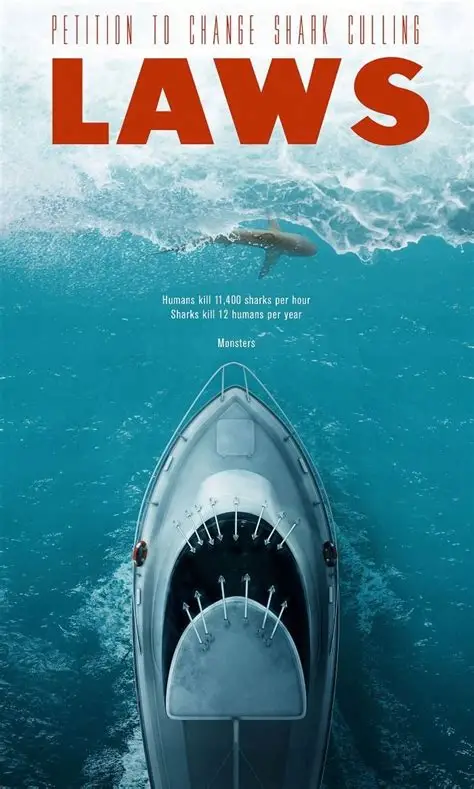
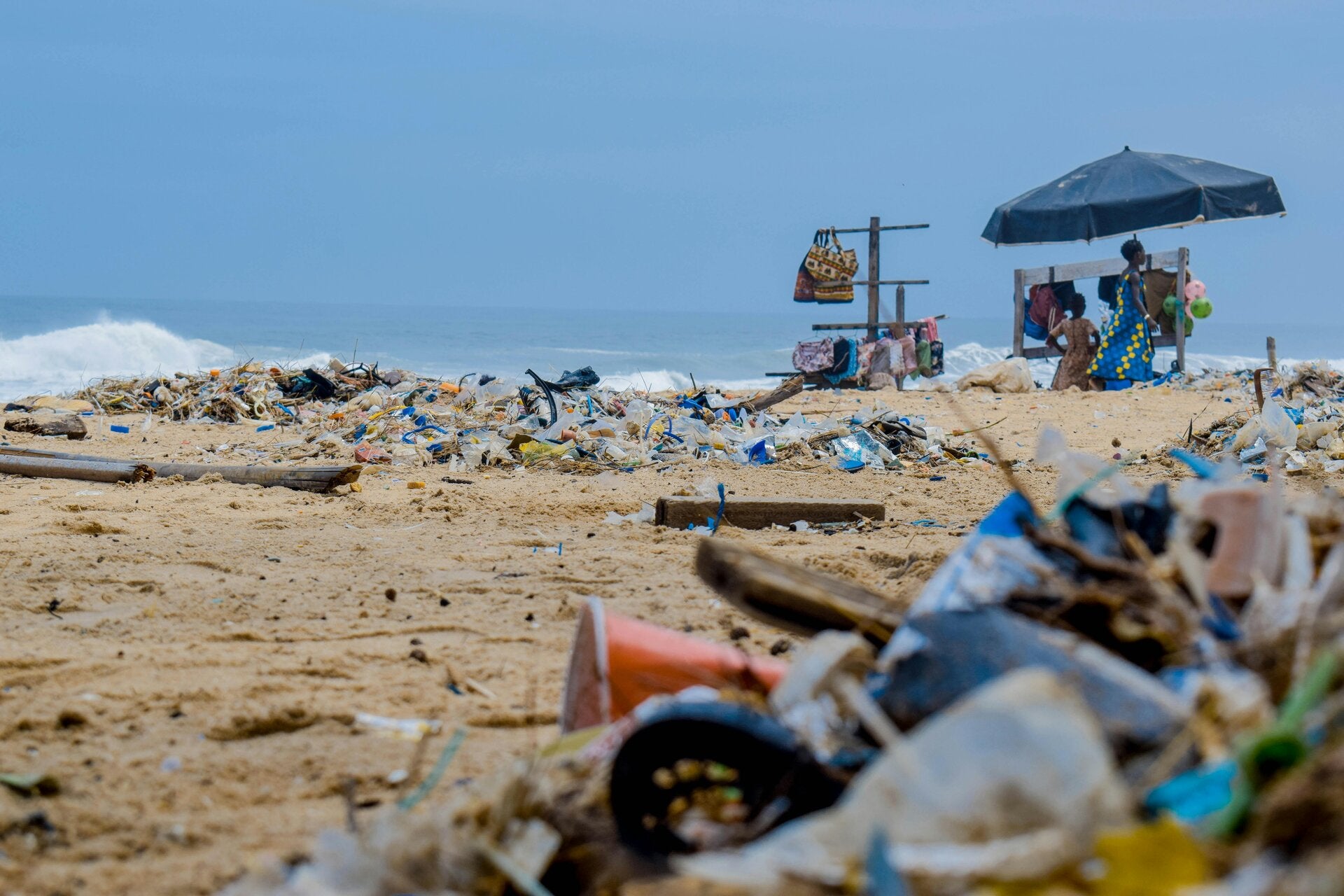
Serious Dangers: Pollution and Habitat Loss
Our waters, once pristine, now carry a hidden burden: pollution. From plastic waste to chemical runoff, these contaminants directly harm sharks and their prey, disrupting delicate ecosystems. Coupled with habitat disruption caused by coastal development and dredging, sharks are losing crucial areas for feeding, breeding, and raising their young. This degradation threatens the very foundation of their survival in North Carolina's waters.
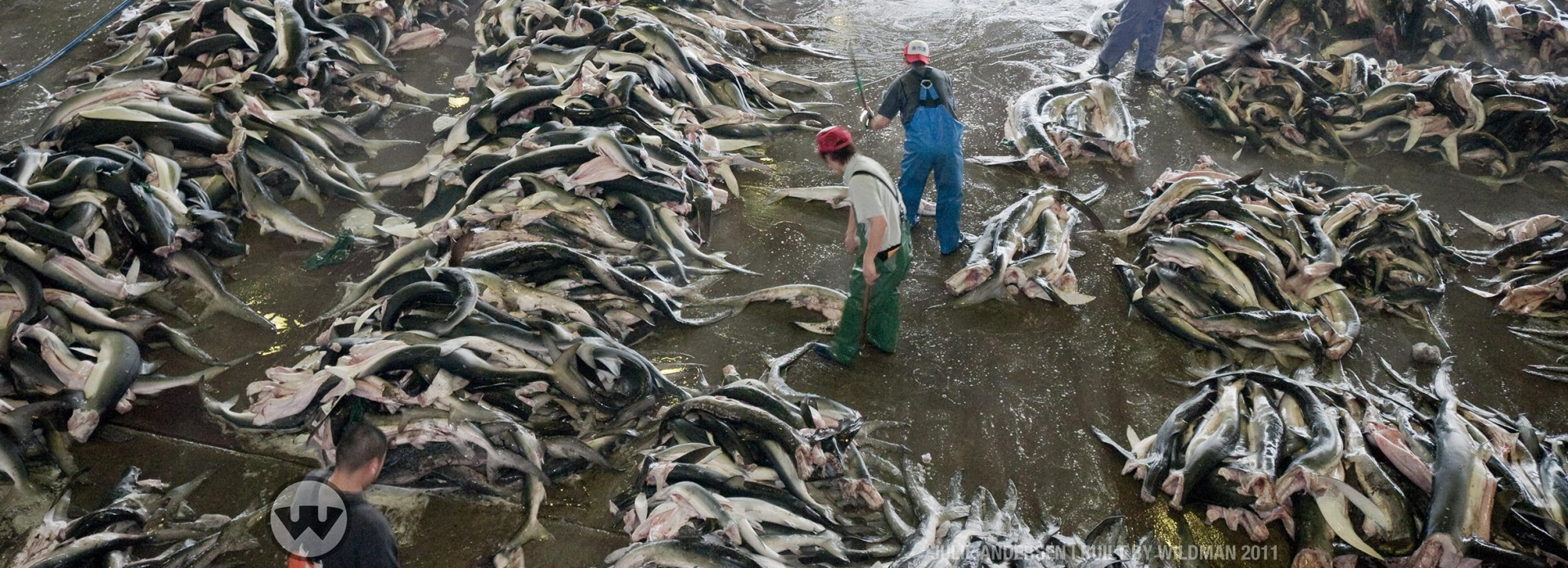
Overfishing: An Unsustainable Harvest
One of the most significant threats to shark populations in North Carolina is overfishing. Both targeted fishing and incidental bycatch drastically reduce shark numbers, particularly for slow-growing and late-maturing species. The demand for shark fins and meat, combined with inadequate regulations, pushes many species towards endangerment. It's a critical issue that demands our immediate attention and calls for revised shark fishing laws.

Changing Tides: Climate Change's Impact
Climate change is an overarching threat, warming ocean temperatures, altering ocean currents, and increasing ocean acidification. These changes directly impact shark migration patterns, food sources, and reproductive cycles. As their environment changes rapidly, sharks struggle to adapt, leading to increased stress and reduced populations. Understanding and addressing climate change is crucial for the long-term survival of these ancient predators.
Setting the Record Straight
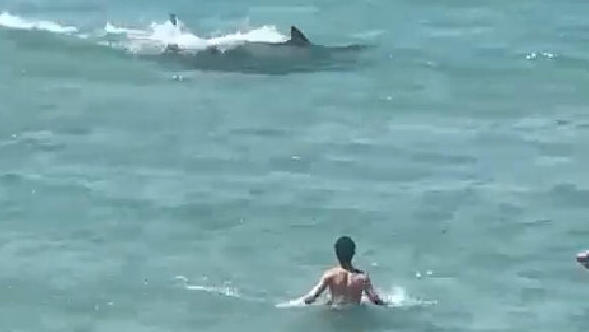
A common misunderstanding fuels fear and contributes to the decline of shark populations. While shark attacks make headlines, the numbers tell a different story. Worldwide, there have been only 949 documented shark bites by nearly 30 species. In stark contrast, humans kill an estimated 63-273 million sharks annually across nearly 600 species. Sharks are vital apex predators, essential for maintaining healthy marine ecosystems. They are not the aggressive hunters often portrayed, but rather creatures struggling for survival. For more information, look at the Florida Museum's International Shark Attack Files and learn how little threat sharks pose to us.
Take Action: How You Can Help North Carolina's Sharks?
Inspired to make a meaningful difference? Your active involvement can help significantly protect and preserve North Carolina's valuable shark populations for future generations. We sincerely hope you'll feel empowered to take decisive action on these critical and pressing issues that affect our marine ecosystems.
In addition to advocating for shark conservation, consider participating in local beach clean-up initiatives. These efforts not only enhance the beauty of our coastlines but also play a crucial role in safeguarding marine habitats. By removing debris and pollutants from our shores, you help create a healthier environment for sharks and other marine life, ensuring they thrive in their natural habitats. Your hands-on participation can inspire others to join the cause, amplifying the impact of collective action in preserving our oceans.
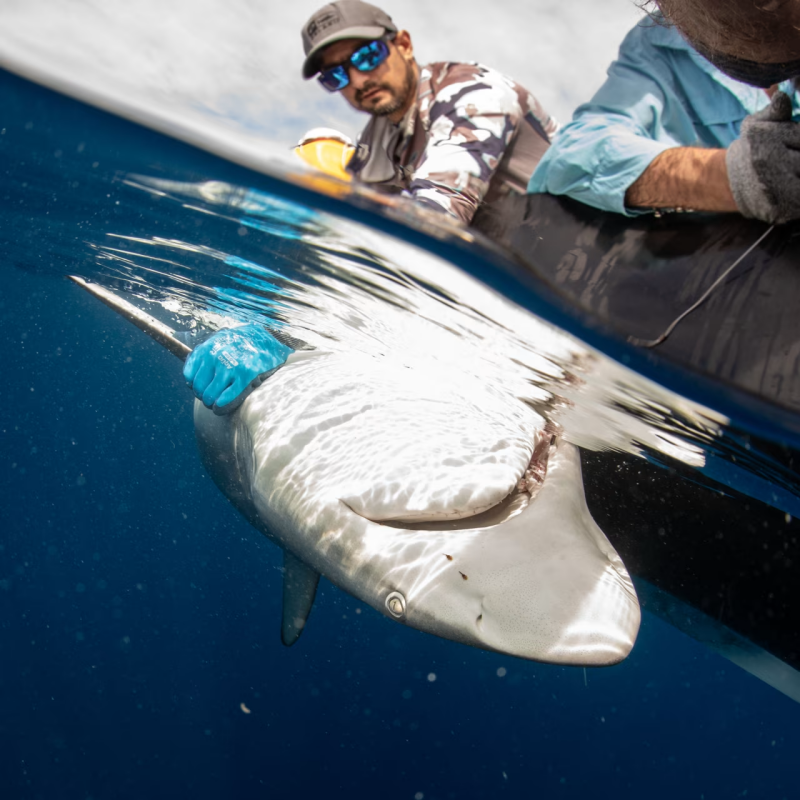
Cleaner Beaches, Cleaner Oceans
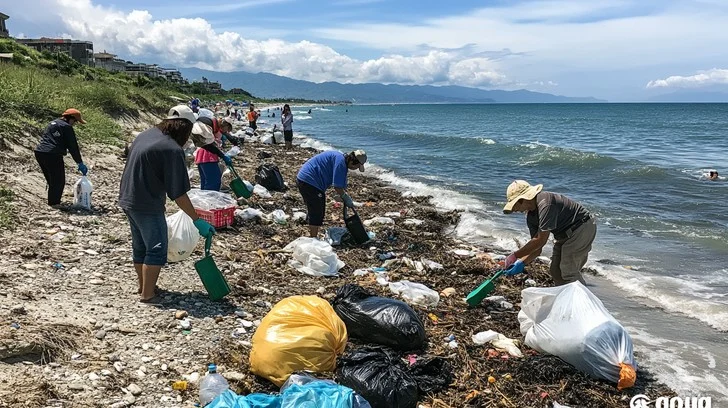
Participate actively in local beach cleanups or take the initiative to organize one yourself. By reducing plastic and litter accumulation on our beautiful beaches, we are directly preventing harmful waste from entering the vast ocean. This proactive approach not only protects the pristine environment but also significantly helps in safeguarding the birthplaces of local shark populations.
Advocate for Stronger Laws
Help us advocate for changes to current shark fishing laws in North Carolina. Contact your local representatives and voice your concerns about overfishing and the need for sustainable practices.
Educate Yourself
We think that educating people is the first step in conservation. It’s important to understand how endangered the species we want to protect really are. We always refer to the IUCN Red List of Threatened Species to track population trends and the dangers they face. To find out more about the threats to different species, just click the link to the IUCN Red List below and search for any of our shark populations. We also provided a link to what we consider a great visual representation for global shark conservation status, The Tardigrade's Visualizing Shark Numbers.
What About Us?
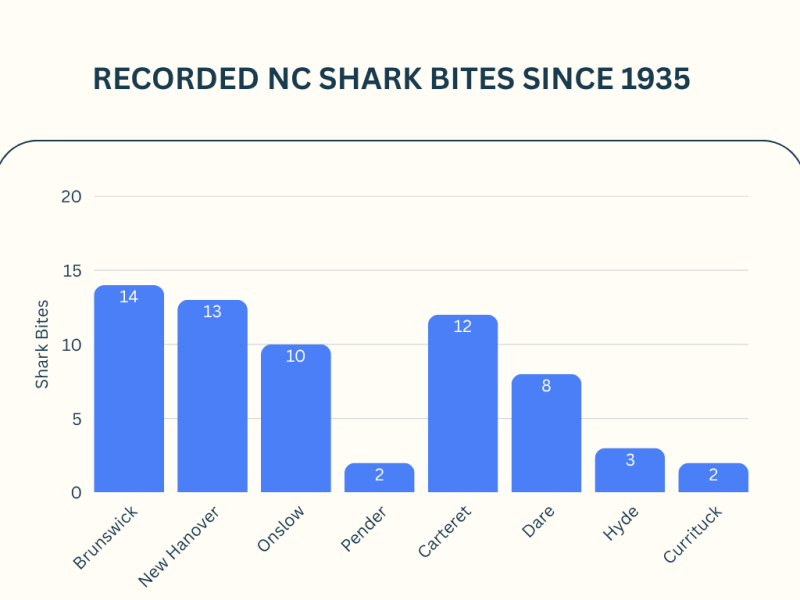
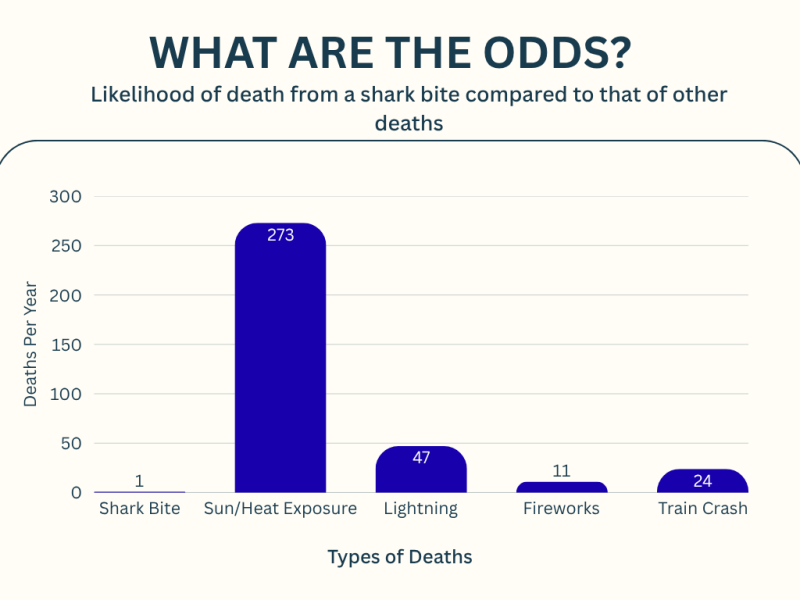
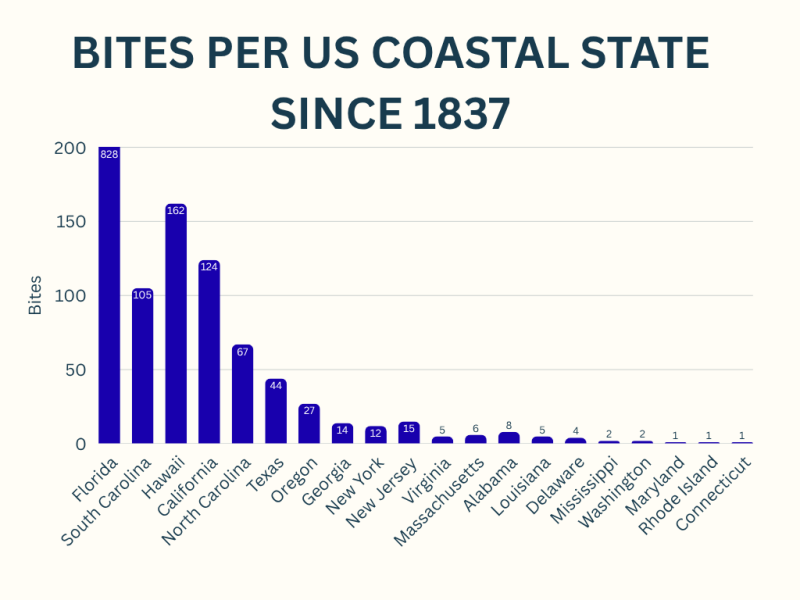
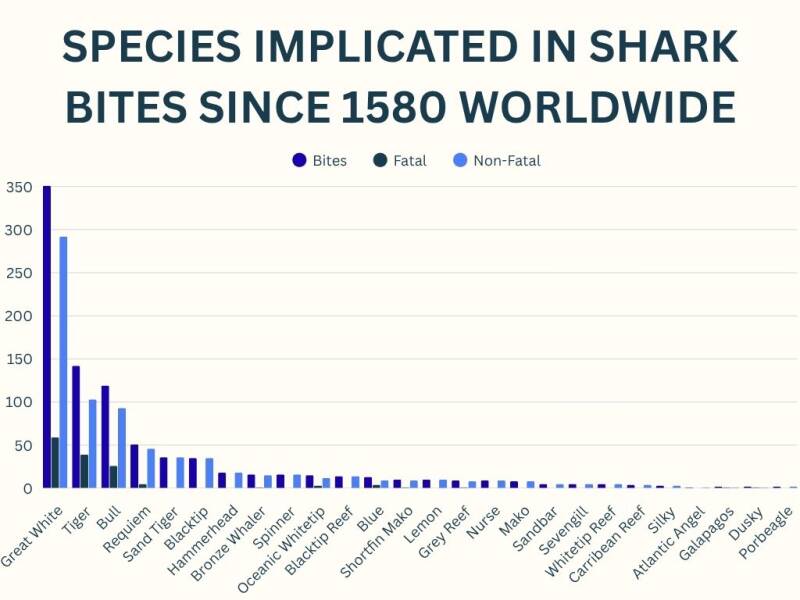
One of the most common and significant barriers to effective shark conservation initiatives is the often-posed question: "Why should I care about an animal that has bitten and killed so many people? How can I possibly feel any sympathy for a creature that is so capable of taking human life?" This important question requires thoughtful and careful consideration. To better understand the complex issue at hand, we thoroughly examined a wealth of data gathered from the International Shark Attack Files, which are meticulously maintained by the reputable Florida Museum. Using this valuable information, we created several informative and visually engaging bar graphs to illustrate our findings clearly.
The top left graph displays the recorded occurrences of shark bites in each coastal county of North Carolina since the year 1935. Meanwhile, the top right graph contrasts the actual likelihood of dying from a shark attack with the far greater odds of dying from a variety of other causes. The bottom left graph shows the total number of shark bites reported in every coastal state across the country since as far back as 1837. Finally, the bottom right graph presents detailed data on recorded bites from over 25 out of more than 500 distinct shark species worldwide since the year 1580, showcasing the diversity of these remarkable creatures.
Given the alarming fact that global shark populations have plummeted by an estimated 70% over the past 50 years, coupled with an estimated 73 to 100 million sharks being killed annually, it's evident and crucial to recognize that the true danger lies in human actions taken against sharks, rather than the other way around. This understanding can help pivot the conversation towards meaningful conservation efforts.
Why is North Carolina specifically important for sharks?
While North Carolina may not hold the coveted record for the highest number of shark bites— a title that, without a doubt, clearly belongs to the sunny state of Florida— it is home to a surprisingly large number of the most diverse shark species in the entire western Atlantic Ocean. This remarkable diversity is attributed to the state's varying water temperatures, an array of oceanic and coastal habitats that create unique environments, and the fact that many species utilize the state's warm and inviting waters as ideal breeding and nursery grounds, as well as a key migratory destination for various shark populations throughout the year. Because of the rich resources in the waters of North Carolina, the area is also ideal feeding grounds for many species.
North Carolina is widely renowned as a prime breeding and pupping destination for various species of sharks, largely due to the famous Graveyard of the Atlantic. This vast stretch of coastline features hundreds of historic shipwrecks that provide ideal shelter and hunting grounds, enabling hungry sharks to ambush their unsuspecting prey with remarkable ease. These shipwrecks also serve as crucial safe havens for young shark pups, offering them essential concealment from larger predators, as well as a secure space for their mothers during the vital birthing process. Notably, Sand Tiger Sharks are frequent residents of these intriguing shipwrecks, along with Sandbar Sharks and the docile Nurse Sharks.
North Carolina's beautiful coast boasts a remarkable variety of prime habitats that support thriving and robust shark populations. These diverse environments include estuaries, intercoastal waterways, river mouths, surf zones, expansive sandy beaches, rich sounds, intricate sandbars, nearshore reefs, bustling inlets, and both fresh and brackish waters that are particularly favorable for species like Bull Sharks.
The Outer Banks, a stunning and picturesque barrier island chain stretching over 175 miles along North Carolina’s magnificent coastline, play an essential and crucial role in the survival and wellness of local shark species. These islands serve as both permanent and seasonal homes to several species, including the critically endangered Great Hammerhead, along with Great Whites, Bulls, Blacktips, and Sandbar Sharks that all find refuge in these waters. Ocearch has tagged a significant number of Great White sharks that are frequently spotted in the inviting waters of the Outer Banks, particularly during their remarkable migratory patterns that occur throughout the year.
Given that North Carolina is home to numerous shark species, its expansive waters and scenic coastlines serve as a rich and vibrant habitat for a wide variety of animals that regularly fall prey to them. In addition to a diverse range of fish, such as menhaden, tuna, rays, mullet, grouper, and swordfish, North Carolina uniquely hosts an impressive array of marine life including sea turtles, seals, sea lions, dolphins, seabirds, crabs, shrimp, and squid. This significant abundance of prey makes North Carolina an ideal and highly productive hunting ground for sharks.
If sharks were to decline significantly in North Carolina, the delicate balance of the entire ecosystem would be severely disrupted. Without their role as natural predators, certain species of local animals would start to overpopulate rapidly, leading to a depletion of their essential food resources and ultimately resulting in their own endangerment and potential extinction, which could have further cascading effects throughout the food web.