So, You Found a Shark in the Wild
Step 1: Before Entering the Water
-
- Avoid waters that are turbulent or cloudy, it will affect the vision of both you and the shark.
- Avoid sandbars, fishing piers, and drop-offs, these are frequent hunting areas for sharks.
- Avoid people offshore fishing.
- Avoid other wildlife such as dolphins, sea birds, and schools of fish jumping out of the water. This can be an indicator that bait fish are schooling in the area, a frequent prey to sharks.
- Before entering the ocean, leave your jewelry and shiny accessories behind. These can resemble fish scales to sharks, potentially attracting them.
- Ensure you’re not bleeding. While sharks are drawn to fish blood rather than human blood, it’s always best to err on the side of caution. This also encompasses bleeding associated with the menstrual cycle.
- Enter the water with a group. Sharks tend to hunt alone and are more likely to target solitary prey.
- Pay attention to the lifeguard flags. A blue or purple flag indicates a reported animal hazard, which may include sharks, but is more likely to point out other creatures like sea snakes, jellyfish, and stingrays.
- Steer clear of wearing colors that may entice sharks, such as yellow, orange, black, silver, and neon shades like hot pink and fluorescent green. These colors are often associated with vibrant fish, which sharks hunt.
- Avoid swimming from dusk to dawn. Many sharks are more active at night, and their vision in dark, murky waters is often limited.
- Exercise caution in murky waters. As mentioned earlier, sharks may have difficulty seeing clearly in these conditions.
-
Avoid swimming too far from the shore; most shark bites occur in waters that are only 3 feet deep and within 10 feet of the beach.

Step 2: Shark Spotted
-
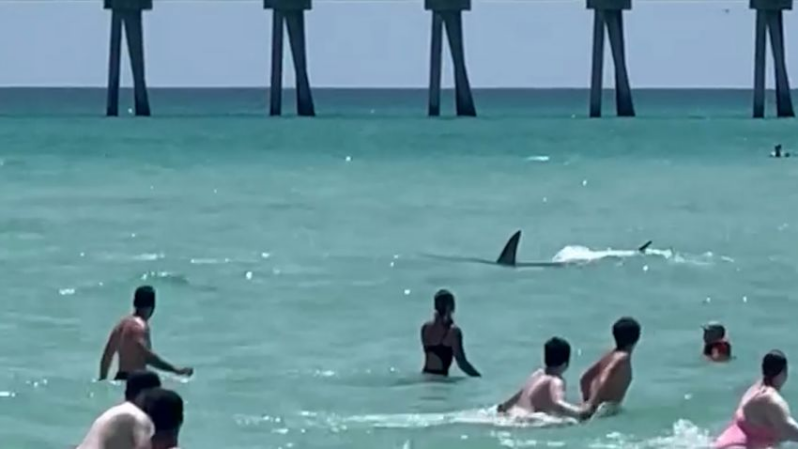
- When a lifeguard or beachgoer alerts you to a shark sighting, calmly exit the water without splashing. Sharks are drawn to splashes, interpreting them as signs of distressed prey.
- If you spot a shark, maintain your focus and make direct eye contact with the animal. This visual engagement can help intimidate it.
- If the shark approaches you, remain calm. Keep your gaze fixed on the shark, stand your ground, and avoid any physical contact. This approach often encourages the shark to retreat.
- If the shark does not back away, your best defense is to strike its nose, jab its gills, or poke its eyes—these are the most sensitive areas. Such actions can cause the shark to swim away, particularly if you’ve already been bitten.
Step 3: After a Bite
-
- If the complete off-chance someone is bitten by a shark, calmly and immediately move the victim to shore or boat.
- Apply direct pressure to the wound, and if bleeding continues, create a tourniquet.
- Contact emergency services right away for urgent medical assistance.
- While evacuating the water, whether a bite has occurred or not, avoid turning your back on the shark.
- Monitor the victim for signs of shock, such as rapid breathing, weakness, or confusion. If any of these symptoms arise, keep the victim warm until help arrives.
- Regardless of the severity of the shark bite, seek medical attention immediately. If left untreated, even minor wounds can lead to serious infections that may be life-threatening.
Step 4: Caught Shark on the Line
-
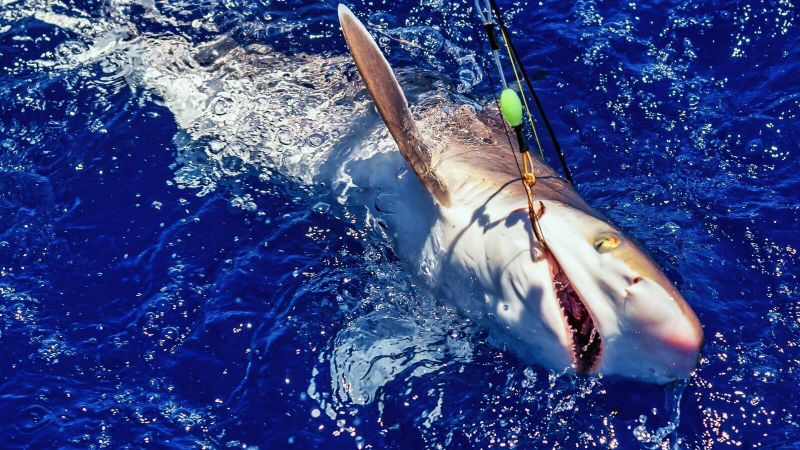
- If you catch a shark while shore fishing, quickly reel in your line.
- Ensure you use hooks that will quickly rust off the animal's mouth.
- Minimize physical interaction with the animal.
- Ensure the animal is always in the water.
- Once the shark is on the beach, approach it gently and place your hand over its snout. This action will help calm the shark.
- Position the shark facing the waves to allow water to flow into its mouth, preventing anoxia and ensuring its survival.
- Carefully lift the shark's snout to open its jaws and remove the hook with pliers.
- After removing the hook, release the snout and assist the shark back into the water until it starts to show signs of responsiveness.
- If this occurs on a boat, do your best to follow these guidelines to your best ability.
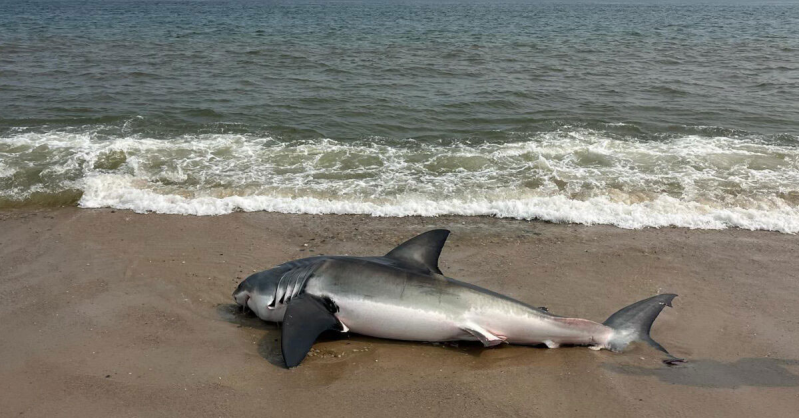
Step 5: Stranded Shark
-
- Please avoid approaching the stranded animal to ensure the safety of both yourself and the animal.
- Call or text the Shark Stranding Hotline at (252) 216-2810 or email strandings@ncsharks.org for assistance.
- When reaching out to the Shark Stranding Hotline, please provide the following information:
- Date and time of the sighting
- GPS coordinates or the nearest beach access point
- Clear photographs (include a scale if possible)
- Details of any visible injuries, tags, or fishing gear
- Location in relation to the waterline
- Physical characteristics of the animal
- Species name, if identification is possible
- When reaching out to the Shark Stranding Hotline, please provide the following information:
- Important: Even if the shark is deceased, you are still prohibited from moving or possessing any part of it, especially if it is a protected species.
Step 6: Reporting Illegal Harvesting
If you witness a fisherman illegally harvesting, harassing, or pursuing a protected shark species, please follow these steps:
- Contact the Division of Marine Fisheries (DMF):
- Email: HarvestReporting@deq.nc.gov
- Phone: (252) 515-5515
- Provide the following details:
- Species name (if known) and description of the shark
- Name and description of the violator
- Date, time, and location of the incident
- Description of the shark and the gear used
- Condition of the shark (dead or alive) at the time of reporting
- Contact the North Carolina Wildlife Resources Commission (NCWRC) if the shark is taken, harassed, or pursued in protected areas, such as wildlife sanctuaries:
- Phone: (252) 515-5500
- Email: info@ncwildlife.gov
Neglecting to report the illegal harvesting of a protected shark, whether intentional or accidental, may lead to fines and penalties against your fishing license. The DMF and NCWRC will collaborate with law enforcement to investigate and prosecute any violations.