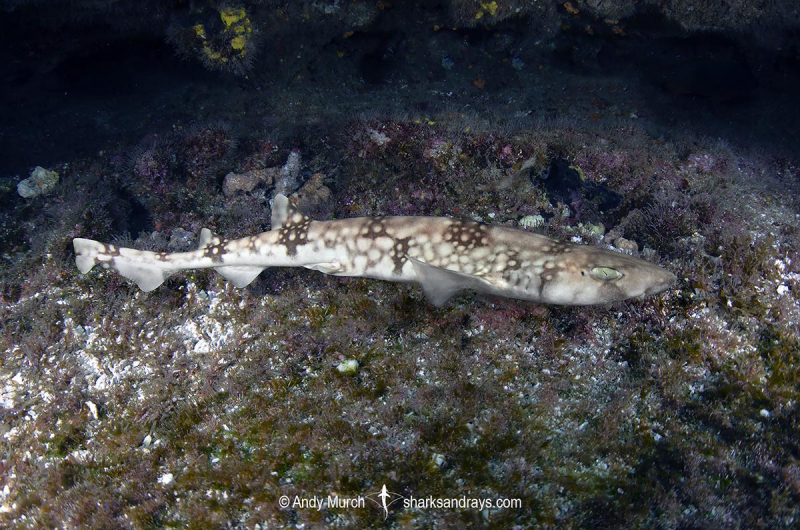
NC Shark Species Database
Welcome to your go-to source for the latest information on the West Atlantic Ocean’s most diverse shark species. The coastal waters of North Carolina are home, or migration stops, to nearly 60 different species of sharks, accounting for nearly a tenth of the global number of different shark species.
Here, you will discover detailed insights about each species, including their sizes, dietary habits, reproductive processes, local distribution, conservation statuses, population threats, bite history & harvesting/conservation laws. Dive in to learn more about these fascinating creatures and their vital role in our ecosystem.
Sources of provided information include IUCN Red List of Threatened Species, North Carolina Marine Fisheries, Florida Museum, Cider Mill Press Book Publishing, Princeton Publishing, & NOAA Fisheries
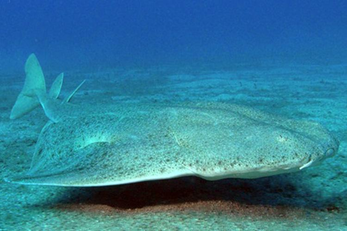
Atlantic Angel Shark
Sizes: Birth: 9.5-11.8 inches Maturity: 35-41 inches in males and females at 34 inches Max: Males at 6 feet and females at Females at 8 feet.
Diet: Croakers, flounders, halibut, soles, crabs, lobsters, shrimps, clams, mussels, snails, squid, octopus, and worms
Distribution: Bottoms from Massachusetts to the Gulf of Mexico at depths of 131-820 feet deep
Habitats: Sandy and muddy bottoms and reefs of shallow waters
Reproduction: 16-32 pups in a litter born during spring and summer months with a gestation period of 10-12 months
Recorded Bites: One bite
Current State Law Status: PROTECTED
Conservation Status: Least Concern and Increasing as of 2019
Conservation Threats: Overfishing
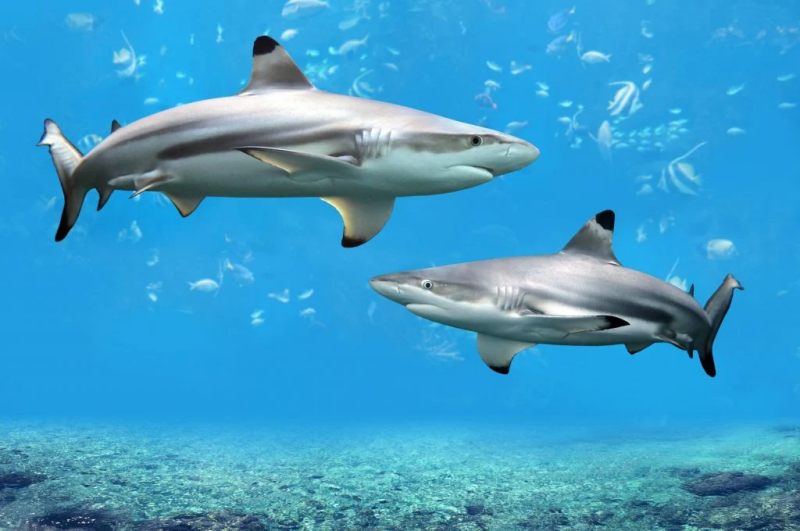
Atlantic Blacktip Shark
Though a worldwide animal, this information covers only the local Atlantic populations.
Sizes: Birth: 20-26 inches Maturity: 4.8 feet and 43 lbs. in males with females being 5.2 feet and 55 lbs. Max: 8 feet
Maturity Age: 4-5 years in males, 6-7 years in females Max Age: 15 years
Diet: Herrings, sardines, and crustaceans, and scavenge from fishing vessels
Distribution: Migrating from Cape Cod and Virginia to the Gulf of Mexico, frequent in the Carolinas
Habitats: Bays, reefs, and estuaries, found around oceanic islands, beaches, and river mouths.
Reproduction: 3-5 pups per litter after a 11-12 month gestation
Recorded Bites: 35 non-fatal bites
Current State Law Status: Permitted to be harvested all year round with no size limitations, 55 individuals per vessel per voyage
Conservation Status: Vulnerable
Conservation Threats: Habitat/nursery destruction, climate change, overfishing, and bycatch
Arrowhead Dogfish
Sizes: Birth: 1 foot Maturity: Males at 17-26 inches while females at 27.5-30 inches
Diet: Squid, cuttlefish, crabs, shrimps, lobsters, herrings, mackerels, & capelin.
Distribution: Primarily in the Caribbeans and the Gulf of Mexico. Spotted in the Frying Pan Shoals of Southport, NC
Habitats: On or near bottoms at depths of 902-5,856 feet on or near continental or insular slopes.
Reproduction: 5-7 pups per litter after 18-24 month gestation period
Recorded Bites: 0 bites recorded
Current State Law Status: N/A
Conservation Status: Near Threatened and Decreasing as of 2/28/2024
Conservation Threats: Overfishing and bycatch
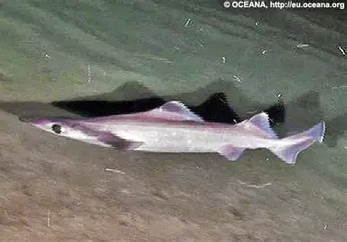
Atlantic Sharpnose Shark

Sizes: Birth: 11 inches Maturity: Males at 31-33 inches and females at 33-35 inches Max: males at 3.28 ft and females at 3.6 ft
Max Age: 18 months
Diet: Eels, menhadens, wrasses, toadfishes, filefishes, worms, crabs, & mollusks
Distribution: New Brunswick to the Gulf of Mexico, especially from Virginia to Texas. Very common in the Carolina's. Offshore deeper waters in the winter and inshore waters in the spring for birthing and in the summer for mating.
Habitats: Bays, estuaries, harbors, and surf zones over muddy and sandy bottoms at depths of less than 32 to 920 feet.
Reproduction: 1-7 pups per litter after a gestation period of 10-11 months
Recorded Bites: 0 Bites
Current State Law Status: Permitted to be harvested all year round with no size limitations, 55 individuals per vessel per voyage
Conservation Status: Least Concern and Increasing as of 6/20/2019
Conservation Threats: Overfishing & bycatch
Basking Shark
Sizes: Birth: 5-6 ft Maturity:16-29 ft Max: 40 ft
Maturity Age: Males at 12-16 years and females at 20 years
Diet: Varieties of plankton
Distribution: North Carolina to New York in spring and New England to Canada in summer, disappears in autumn and winter
Habitats: Open surface waters offshore as well as bays and estuaries
Reproduction: 5 pups per litter from a 3 yearlong gestation period
Recorded Bites: 0 bites
Current State Law Status: PROTECTED
Conservation Status: Endangered & Decreasing as of 11/7/2018
Conservation Threats: Shipping lanes, overfishing, & bycatch
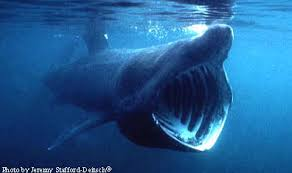
Bigeye Sand Tiger Shark
Sizes: Males at 7.2 ft and females at 10.7 ft Max: 12 ft
Diet: Bony fishes, mollusks, & squids
Distribution: Southern Brazil to the Mid-Atlantic Ridge and eastern Florida, venturing into the Carolinas in the summer
Habitats: Tropical and warm temperate regions with depths between 200 and 3,280 ft, surfacing at night
Reproduction: N/A
Recorded Bites: 0 Bites
Current State Law Status: PROTECTED
Conservation Status: Least Concern with further study needed
Conservation Threats: Overfishing & bycatch
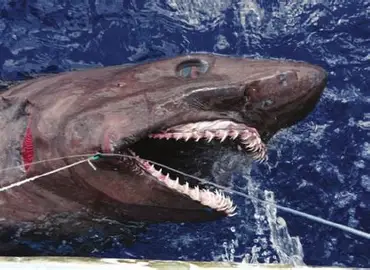
Bigeye Sixgill Shark
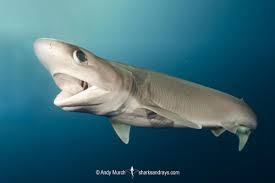
Sizes:Birth:17 inches Maturity: 4-5.2 ft in males and females 4.7-5.8 ft and 44 lbs. in females Max: 5.9 ft
Diet: Varieties of bony fishes and crustaceans
Distribution: Mexico to Bahamas, Northern Cuba, Costa Rica, & Nicaragua, spotted in coastal Carolinas
Habitats: Near bottoms at depths of 295-1,970 ft
Reproduction: 13 pups per litter from a 10-11 month gestation period
Recorded Bites: 0 Bites
Current State Law Status: PROTECTED
Conservation Status: Near Threatened as of 11/21/2019
Conservation Threats: Bycatch & overfishing
Bigeye Thresher Shark
Sizes: Birth: 4.27-4.59 ft Maturity: Males at 8.86-9.45 ft and females at 10.9-11.7 ft Max: 16 ft and 759.8 lbs.
Maturity Age: Males at 9-10 years and females at 12-14 years Max Age: 20 years
Diet: Tuna, lancetfishes, hakes, herrings, young billfishes, squids, & various crustaceans
Distribution: New York to Florida
Habitats: Warm, temperate, and tropical waters in open oceanic and shallow coastal waters at temps of 61-77 degrees Fahrenheit at depths of up to 500 ft
Reproduction: 2-4 pups per litter, further study needed
Recorded Bites: 0 Bites
Current State Law Status: PROTECTED
Conservation Status: Vulnerable and Decreasing as of 11/6/2018
Conservation Threats: Overfishing & Bycatch
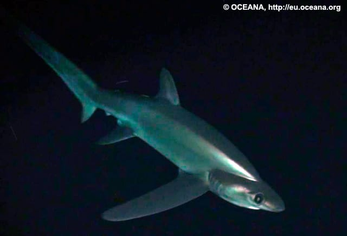
Bignose Shark

Sizes: Birth: 2-3 ft Maturity: Males at 7.1 ft and females 7.4-9.3 ft Max: 9.8 ft & 370 lbs.
Diet: Mackerels, soles, batfishes, dogfishes, catsharks, stingrays, & varieties of cephalopods
Distribution: Offshore from Florida to Venezuela, sometimes straying to the Carolina's
Habitats: Near edges of continental shelves and insular slopes with depths of 1,410 ft
Reproduction: 3-11 pups per litter
Recorded Bites: 0 Bites
Current State Law Status: PROTECTED
Conservation Status: Near Threatened & Decreasing as of 2/14/2020
Conservation Threats: Overfishing & Bycatch
Black Dogfish
Sizes: Birth: 6 inches Maturity: Males at 21.7 inches and females at 25.6 inches Max: 35 inches
Diet: Varieties of bony fishes, cephalopods, crustaceans, scyphozoans, & euphausiids
Distribution: Greenland to the Gulf of Mexico
Habitats: Deep arctic waters of 34-40 degrees Fahrenheit and depths of 5,250 ft
Reproduction: 4-40 pups per litter
Recorded Bites: 0 Bites
Current State Law Status: N/A
Conservation Status: Least Concern and Stable
Conservation Threats: Overfishing & Bycatch
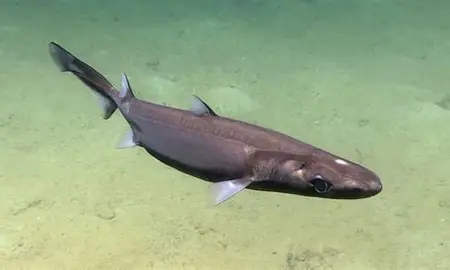
Blacknose Shark
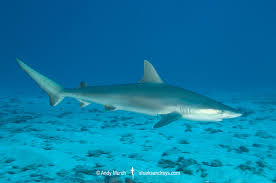
Sizes: Birth: 17-20 inches Maturity: 4.3-6.6 ft for females and males at 3.2-3.5 ft Max: 6.6 ft
Maturity Age: 4-7 years for females and males at 4-5 years Max Age: 11.5 years for females and males at 9.5 years
Diet: Anchovies, pinfishes, porcupine fishes, spiny boxfishes, octopuses, croakers, and porgies.
Distribution: North Carolina to southern Uruguay, transversing Gulf of Mexico, Caribbean, & Bahamas
Habitats: Coastal tropical and warm temperate inshore waters of continental shelves over sandy and coral bottoms at depths of 59-210 ft
Reproduction: 3-6 pups per litter after 8-11 month gestation
Recorded Bites: 0 Bites
Current State Law Status: Permitted to be harvested year around with some restrictions
Conservation Status: Endangered & Decreasing as of 7/11/2019
Conservation Threats: Overfishing & Bycatch
Blotched Catshark

Sizes: Birth: Maturity: 19 inches in males and females at 17 inches Max: 27-39 inches
Diet: Bony fishes, shrimps, & cephalopods
Distribution: Along the continental slopes from North Carolina to Florida
Habitats: Deep-sea coral banks at depths of 1,079-1,798 ft
Reproduction: 2 egg cases after a year long gestation period with an incubation period of 5-11 months
Recorded Bites: 0 Bites
Current State Law Status: N/A
Conservation Status: Least Concern & Stable as of 6/19/2020
Conservation Threats: N/A
Blue Shark
Sizes: Birth: 3-19 inches Maturity: 6-7 ft in males and 7 ft in females Max: 12 ft
Maturity Age: 4-6 years in males and 5-7 years in females Max Age: 20+ years
Diet: Herrings, sardines, squids, cuttlefish, octopuses, & large animal carrion
Distribution: Worldwide temperate and tropical waters at depths up to 1,148 ft, including inshore areas and oceanic islands
Habitats: Open surface, deep waters, and oceanic islands 53-68 degrees Fahrenheit
Reproduction: 30-80 pups in litters during spring & summer after a gestation period of 9-12 months
Recorded Bites: 13 bites, 4 being fatal
Current State Law Status: Harvesting permitted all year long with no size limitations, 55 individuals per vessel per voyage
Conservation Status: Near Threatened & Decreasing as of 11/6/2018
Conservation Threats: Overfishing & Bycatch from longlines and driftnets
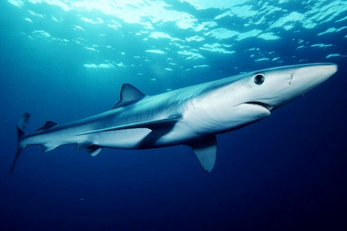
Bluntnose Sixgill Shark
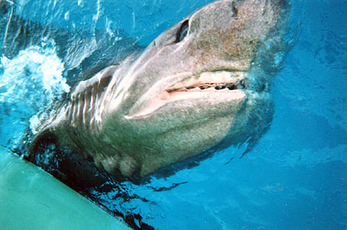
Sizes: Birth: 23-30 inches Maturity: Males at 10 ft and 44o lbs., females at 13 feet and 880 lbs. Max: 16 ft and 1,300 lbs.
Maturity Age: Males at 11-14 years and females at 18-35 years Max Age: 80 years
Diet: Dolphinfishes, billfishes, flounders, cods, hagfishes, lampreys, chimaeras, rays, spiny dogfishes, shortnose dogfishes, prickly sharks, squids, crabs, snails, carrion, small bony fishes, and cannibalism
Distribution: North Carolina to Florida and Gulf of Mexico
Habitats: Deepwater bottoms at depths of 6,500 ft and surface waters, both over outer continental/insular shelves and upper slopes. Inshore and shallow waters at night hours.
Reproduction: 22-108 pups per litter
Recorded Bites: 0 Bites
Current State Law Status: N/A
Conservation Status: Near Threatened as of 11/21/2019
Conservation Threats: Overfishing & Bycatch
Bonnethead Shark
Sizes: Birth: 0.7-1 feet Maturity: 20-30 inches in males and 33 inches in females Max: 59 inches and 24 lbs.
Diet: Seagrass, worms, mollusks, small fish, pink shrimp, mantis shrimp, and blue crabs.
Distribution: Continental and insular slopes along from Rhode Island to Brazil, frequently in the shallows of the Carolina's in the summer months
Habitats: Seagrass beds, reefs, estuaries, and shallow bays at depths of 40 ft or less at temps of 70°F.
Reproduction: 4-14 pups per litter in late summer & early autumn after a 4-5 month gestation
Recorded Bites: 0 Bites
Current State Law Status: Permits harvesting all year around with no size limitations, 55 individuals per vessel per voyage
Conservation Status: Endangered & Decreasing as of 7/19/2019
Conservation Threats: Habitat destruction, aquaculture, overfishing, bycatch, various recreational activities.
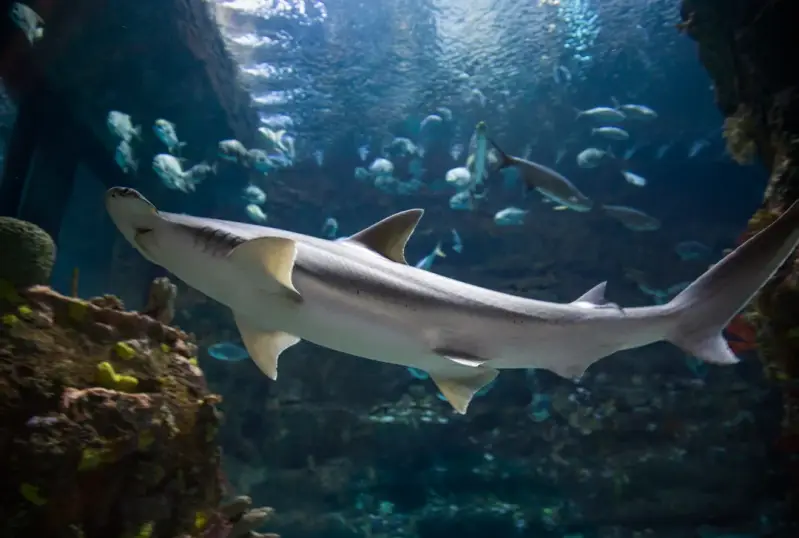
Bramble Shark
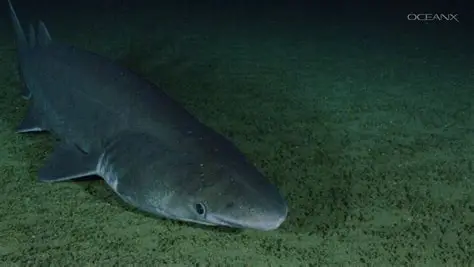
Sizes: Birth: 15.7-19.7 inches Maturity: Males at 4.9-5.7 ft and females at 7-7.5 ft Max: 10.2 ft
Diet: Lizardfishes, catfishes, lings, crabs, and smaller sharks
Distribution: Off Cape Cod and Virginia coasts to the Gulf of Mexico
Habitats: Deep-water bottoms on deeper portions of continental shelves and upper slopes at depths of 60-2,950 ft
Reproduction: 15-24 pups per litter
Recorded Bites: 0 Bites
Current State Law Status: N/A
Conservation Status: Endangered & Declining as of 11/21/2019
Conservation Threats: Overfishing & Bycatch
Broadband Lantern Shark
Sizes: Birth: 2.2-2.4 inches Max: 13.7 inches
Diet: Shrimps, squids, & crustaceans
Distribution: North Carolina to Florida
Habitats: Outer continental shelves and upper-middle slopes at depths 230-328 ft
Reproduction: 2-3 pups per litter
Recorded Bites: 0 Bites
Current State Law Status: N/A
Conservation Status: Least Concern & Stable as of 6/21/2019
Conservation Threats: Data Deficient
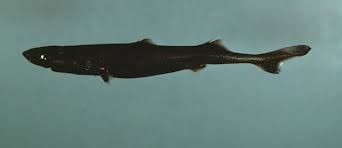
Bull Shark
Sizes: Birth: 2-3 ft Maturity: Males at 5-7 ft & females at 6-7.5 ft Max: 13 ft and 698 lbs.
Maturity Age: Males 14-15 years and females 18 years Max Age: 25 years
Diet: Mullets, tarpons, catfishes, menhadens, gars, snooks, snappers, jacks, mackerels, stingrays, sea turtles, dolphins, crabs, shrimp, seabirds, squid, & smaller sharks
Distribution: Massachusetts to the Gulf of Mexico and Caribbeans to Uruguay
Habitats: Rivers, ponds, lakes, creeks, streams, estuaries, bays, harbors, lagoons, river mouths, and coastal shallows less than 100 ft deep, and open surface waters of 3-450 ft deep
Reproduction: 1-13 pups per litter after a gestation period of 10-11 months
Recorded Bites: 119 Bites, 26 Fatal & 93 Non-Fatal
Current State Law Status: Harvesting permitted year-round with no size limitations, 55 individuals per vessel per voyage
Conservation Status: Vulnerable & Decreasing as of 11/24/2020
Conservation Threats: Habitat loss, overfishing, bycatch, storms, flooding, and industrial development and pollution

Caribbean Lantern Shark
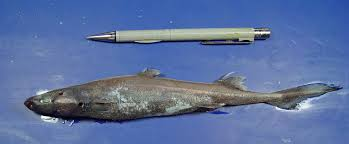
Size: Males at 10.2 inches & females at 11.8 inches
Diet: Varieties of small fishes, shrimps, squids, and crabs
Distribution: Maryland to the Caribbeans
Habitats: On or near bottoms of upper continental and insular slopes at depths of 590-2,352 ft
Reproduction: 4-5 pups per litter
Recorded Bites: 0 Bites
Current State Law Status: N/A
Conservation Status: Least Concern & Stable as of 6/21/2019
Conservation Threats: Bycatch and overfishing
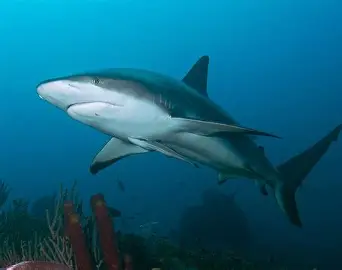
Caribbean Reef Shark
Sizes: Birth: <2.5 ft Maturity: Males at 4.9-5.5 ft & females 6.5-9.6 ft Max: 9.6 ft
Diet: Varieties of bony fishes, squid, crustaceans like crabs, & rays such as eagle rays & yellow stingrays
Distribution: Florida and Caribbeans to the Gulf of Mexico and Southern Brazil, often wandering as far as the Carolina's
Habitats: On or near reefs and bottoms, inshore shallows, and drop-offs of the continental and insular shelves at depths of at least 98 ft
Reproduction: 4-6 pups per litter after 12 month gestation period
Recorded Bites: 4 Non-fatal bites, 0 Fatal
Current State Law Status: PROTECTED
Conservation Status: Endangered & Decreasing as of 7/1/2019
Conservation Threats: Diseases, habitat shifting, extreme temperature changes, storms, floodings, residential/commercial developments, wastewater pollutions, agricultural and forestry effluents
Born less than 2.5 feet long, mature males reach maturity at 5-5.5 feet long and females are measured 6.3-9.6 feet long, being the largest of the species.
Chain Catshark/Dogfish
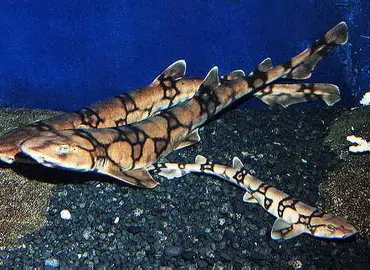
Sizes: Birth: 3.9 inches Maturity: 15.6 inches in males & 15 inches in females Max: 18.9 inches in male & 18.5 in female
Maturity Age: 8-9 years
Diet: Squid, varieties of small fishes, crustaceans, and bristle worms
Distribution: Chesapeake Bay, Virginia and Outer Banks, North Carolina for birthing. Range from Massachusetts to Florida and Gulf of Mexico
Habitats: Outer continental shelves and upper slopes, rocky bottoms and man-made artifacts such as wires and cables.
Reproduction: A pair of egg cases every 2 weeks with a 8-9 month gestation period
Recorded Bites: 0 Bites
Current State Law Status: N/A
Conservation Status: Least Concern & Stable as of 6/21/2019
Conservation Threats: N/A
Cuban Dogfish
Sizes: Maturity: 19.7-29.5 inches Max: 43.3 inches
Diet: Small bony fishes, squids, and shrimps
Distribution: North Carolina and Florida to the Gulf of Mexico and Argentina
Habitats: On or near bottoms in large clusters along outer continental shelves and uppermost slopes at depths of 200-2,400 ft
Reproduction: 2 pups per litter
Recorded Bites: 0 Bites
Current State Law Status: N/A
Conservation Status: Least Concern & Increasing as of 6/21/2019
Conservation Threats: Oil drilling, overfishing, & bycatch
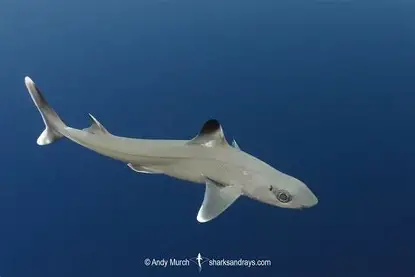
Deepwater Catshark
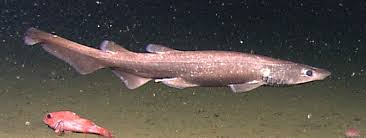
Size: 2.5 ft
Diet: Varieties of crustaceans, mollusks, cephalopods, small bony fishes, & polychaeta worms
Distribution: From Canada, south off Delaware Bay, to off Suriname
Habitats: On or near bottoms at depths of 433-6,749 ft
Reproduction: Egg incubation ranges from less than a month to a year
Recorded Bites: 0 Bites
Current State Law Status: N/A
Conservation Status: Least Concern & Stable as of 6/18/2019
Conservation Threats: Bycatch & Overfishing
Dusky Shark
Sizes: Birth: 1.6-3.3 ft Maturity: Males at 9.1 ft & females at 8.4-9.8 ft Max: 13.8 ft & 765 lbs.
Maturity Age: Males at 16-23 years & females at 16-22 years Max Age:
Diet: Starfishes, crustaceans. marine mammals, cuttlefishes, octopi, squids, sardines, tunas, eels, mackerels, sea turtles, & carrion
Distribution: Nova Scotia to Cuba and Nicaragua to southern Brazil
Habitats: Highly migratory, range from shallow inshore waters to the outer continental shelf and adjacent oceanic waters
Reproduction: 3-16 pups per litter after gestation period of 18-22 months
Recorded Bites: 2 Bites, 1 Fatal & 1 Non-Fatal
Current State Law Status: PROTECTED
Conservation Status: Endangered & Decreasing as of 11/6/2018
Conservation Threats: Overfishing & Bycatch
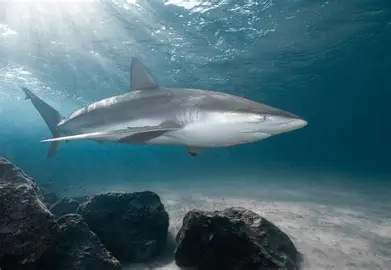
Dusky Smoothhound Shark
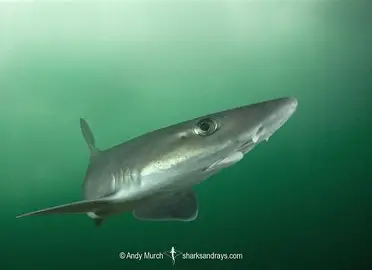
Size: 5 ft in length
Diet: Squids, crabs, lobsters, shrimps, small worms, razor clams, mackerels and other small bony fishes
Distribution: Canada to Argentina
Habitats: Continental shelves, coastal islands, and well offshore at depths up to 2,651 ft
Reproduction: 4-20 pups per litter after gestation period of 10-11 months
Recorded Bites: 0 Bites
Current State Law Status: N/A
Conservation Status: Near Threatened & Decreasing as 6/21/2019
Conservation Threats: Overfishing & Bycatch.
Finetooth Shark/Eventooth Shark
Sizes: Birth: 20-25 inches Maturity: Males at 3.9 ft & females at 4.6 ft Max: 5-7.4 ft in males & 5.9-11.1 ft in females
Diet: Cephalopods, crustaceans, and small bony fishes such as mullets, Spanish mackerels, spots, & Atlantic menhaden
Distribution: North Carolina to Cuba & Gulf of Mexico
Habitats: Estuaries, lagoons, bays, off river mouths, & other shallow areas at temps below 68°F
Reproduction: 1-13 pups per litter after a year long gestation period
Recorded Bites: 0 Bites
Current State Law Status: Harvesting permitted with no size limitations all year long, 55 individuals per vessel per voyage
Conservation Status: Near Threatened & Stable as of 7/1/2019
Conservation Threats: Overfishing & Bycatch
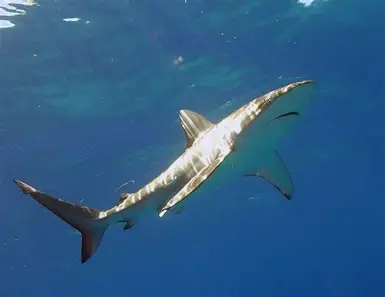
Galapagos Shark
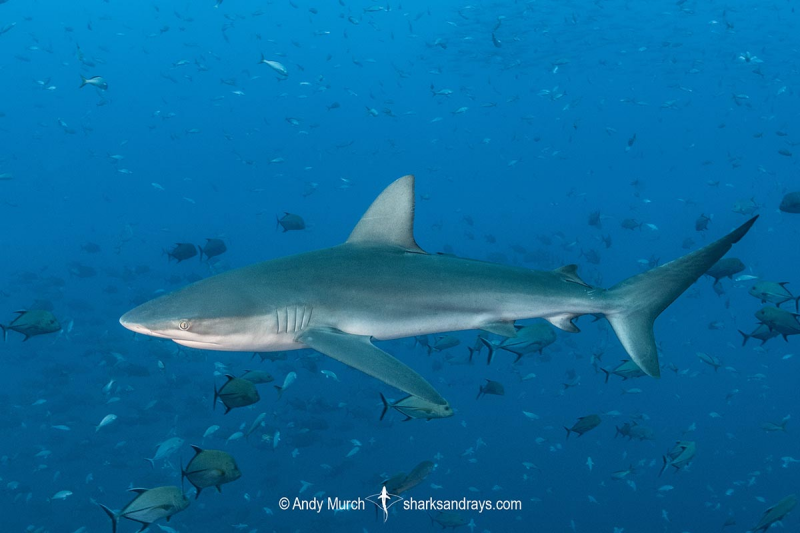
Sizes: Birth: 30-35 inches Maturity: 6.9-7.5 ft in males and 7.2-8.2 ft in females Max: 11 ft
Maturity Age: 10 years Max Age: 24 years
Diet: Octopuses, squids, eels, flatheads, groupers, triggerfishes, flatfishes, sealions, iguanas, and other sharks
Distribution: Worldwide, primarily in Galapagos & Bermuda Islands as well as once caught off Southport, North Carolina
Habitats: Rocky bottoms and coral reefs in clear tropical and warm temperate waters at depths of 82-591 ft deep
Reproduction: 4-16 pups per litter
Recorded Bites: 2 Bites, 1 Fatal
Current State Law Status: PROTECTED
Conservation Status: Least Concern
Conservation Threats: Overfishing & Bycatch
Great Hammerhead Shark
Sizes: Birth: 2-2.3 ft Maturity: Males at 7.4 ft & 113 lbs. Females at 6.9 ft & 90 lbs. Max: 20 ft & 1,000 lbs.
Max Age: 20-30 years
Diet: Lobsters, crabs, squids, octopuses, rays, smaller sharks, tarpons, sardines, catfishes, toadfishes, porgies, jacks, croakers, groupers, flatfishes, boxfishes, and porcupine fishes
Distribution: North Carolina to Uruguay, Gulf of Mexico, & Caribbean regions
Habitats: Lagoons, continental shelves, open surfaces, and sandy bottoms at depths up to 260 ft. Prefers cooler waters
Reproduction: 6-42 pups per litter in the spring/summer after a gestation period of 11 months every 2 years
Recorded Bites: 18 Bites, 0 Fatalities
Current State Law Status: Harvesting permitted year round with very little size restrictions, 55 individuals per vessel per voyage
Conservation Status: CRITICALLY ENDANGERED
Conservation Threats: Finning, overfishing, & bycatch

Great White Shark
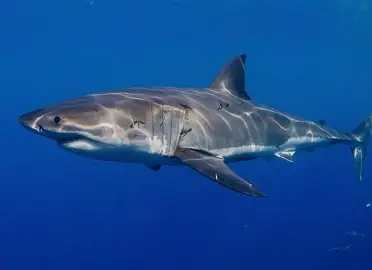
Sizes: Birth:3.5-5 ft Maturity: 10-13 ft in males & 14-16 ft in females Max: 22 ft in length, 8 ft in height, & 5,000 lbs.
Max Age: 70+ years
Diet: Seals, sea lions, elephant seals, dolphins, rays, seabirds, crabs, lobsters, otters, cephalopods, sea turtles, other sharks, & various bony fishes like tunas, mackerels, & salmon
Distribution: Newfoundland & Cape Cod to Florida, Cuba, Bahamas, & northern Gulf of Mexico
Habitats: Coastal & offshore temperate & subtropical waters. Surfline to open ocean at temps of 50-80°F up to depths of over 4,265 ft. Also found in offshore reefs, banks, shoals, & rocky headlands
Reproduction: 2-10 pups per litter after a 12-22 month gestation period
Recorded Bites: 351 Bites, 59 Fatal & 292 Non-Fatal
Current State Law Status: PROTECTED since 1997
Conservation Status: Vulnerable & Decreasing as of 11/7/2018
Conservation Threats: Illegal finning, overfishing & bycatch
Greenland Shark
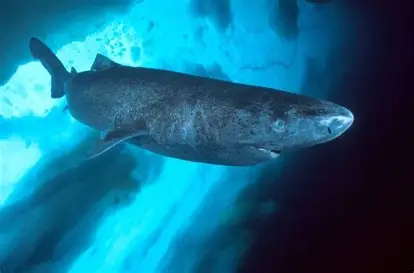
Sizes: Birth: 15 inches Maturity: 8-14 ft Max: 21-24 ft
Maturity Age: Max Age: 512 years
Diet: Small sharks, skates, eels, herrings, capelins, chars, redfishes, sculpins, lumpfishes, flounders, wolf fishes, reindeer, and horses
Distribution: Arctic & North Atlantic waters, spanning down to Cape Cod and Savanah, Georgia
Habitats: Frigid open surfaces and deep open waters at depths up to 7,218 ft and temps of 34-68°F
Reproduction: 10 pups per litter
Recorded Bites: 0 Bites
Current State Law Status: N/A
Conservation Status: Vulnerable & Decreasing as of 6/20/2019
Conservation Threats: Climate changes, habitat changes, overfishing, & bycatch
Gulper Shark

Sizes: Birth: 1-1.4 ft Maturity: Males at 2-2.6 ft & females at 3 ft Max: 5.77 ft
Diet: Crustaceans, cephalopods, & bony fishes
Distribution: Maryland to the Caribbean
Habitats: On or near bottoms at depths of 164-4,921 ft
Reproduction: 2-10 pups in a lifetime with 1-2 pups per litter after a gestation period of 2 years
Recorded Bites: 0 Bites
Current State Law Status: N/A
Conservation Status: Endangered & Decreasing as of 2/27/2024
Conservation Threats: Overfishing & Bycatch
Iceland Catshark
Sizes: Maturity:1.6-1.96 ft Max: 2.5 ft
Diet: Squids, bony fishes, lugworms, clam worms, crabs, shrimp, & lobsters
Distribution: Iceland to Massachusetts & Delaware to the Gulf of Mexico
Habitats: Deep waters along continental shelves at depths of 1,837-5,085 ft
Reproduction: N/A
Recorded Bites: 0 Bites
Current State Law Status: N/A
Conservation Status: Least Concern & Stable as of 6/19/2019
Conservation Threats: Overfishing & Bycatch

Kitefin Shark
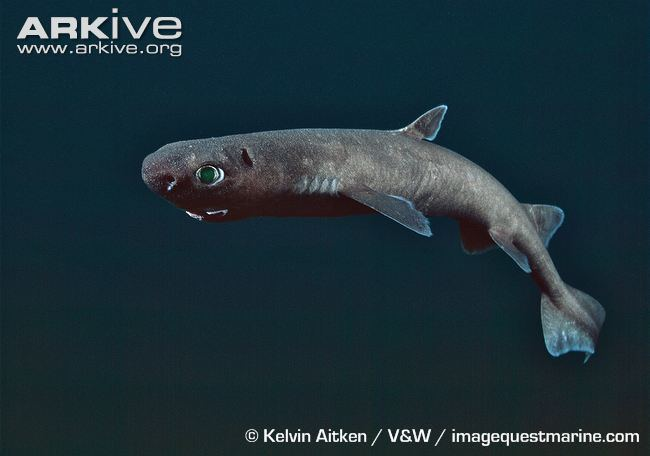
Sizes: Birth: 1 ft Maturity: Males at 2.5-4 ft & females at 3.8-5.2 ft Max: 5.2 ft
Diet: Squids, octopuses, shrimps, lobsters, smaller sharks, skates, & various deepwater bony fishes
Distribution: West of Cape Cod to northern region of Gulf of Mexico
Habitats: Tropical & warm-temperate waters at depths of 121-5,900 ft
Reproduction: 10-16 pups per litter
Recorded Bites: 0 Bites
Current State Law Status: N/A
Conservation Status: Vulnerable & Decreasing 7/3/2017
Conservation Threats: Bycatch & Overfishing
Lemon Shark
Sizes: Birth: 20-24 inches Maturity: 7.3-7.7 ft Max: 8-10 ft & 551 lbs.
Maturity Age: 12-13 years Max Age: 27 years
Diet: Seabirds, crabs, lobsters, crayfish, skates, guitarfish, stingrays, eagle rays, groupers, cowfishes, porcupine fishes, croakers, jacks, mullets, catfishes, & smaller sharks
Distribution: New Jersey to Southern Brazil
Habitats: Coral reefs, mangroves, enclosed bays, sounds, piers, docks, & river mouths of subtropical shallows at depths up to 300 ft
Reproduction: 4-17 pups per litter after a gestation period of 10-12 months
Recorded Bites: 10 Bites, no fatalities
Current State Law Status: Permitted to be harvested throughout the year, 55 individuals per vessel per voyage
Conservation Status: Vulnerable & Decreasing as of 9/4/2020
Conservation Threats: Aquaculture, overfishing, & bycatch

Lined Lantern Shark
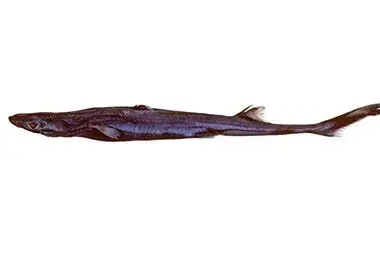
Size: 2 ft
Diet: Small fishes & invertebrates
Distribution: Carolina's to Miami
Habitats: Continental slopes & seabeds at depths ranging 902-2,703 ft
Reproduction: 2-3 pups per litter
Recorded Bites: 0 Bites
Current State Law Status: N/A
Conservation Status: Least Concern & Stable as of 6/20/2019
Conservation Threats: N/A
Longfin Mako Shark
Sizes: Birth: 4-4.5 ft Maturity: Males at 7.5 ft & females greater than 10 ft Max: 14 ft
Diet: Squids, swordfishes, schooling fishes such as tunas & mackerels
Distribution: Cape Cod to Cuba
Habitats: Possible wide range of open surface areas to deep water near or on bottoms
Reproduction: 2-8 pups per litter
Recorded Bites: 8 Possible Bites, No Fatalities
Current State Law Status: PROTECTED
Conservation Status: Endangered & Decreasing as of 11/5/2018
Conservation Threats: Overfishing, bycatch, & finning
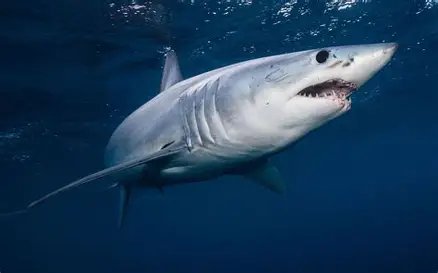
Night Shark
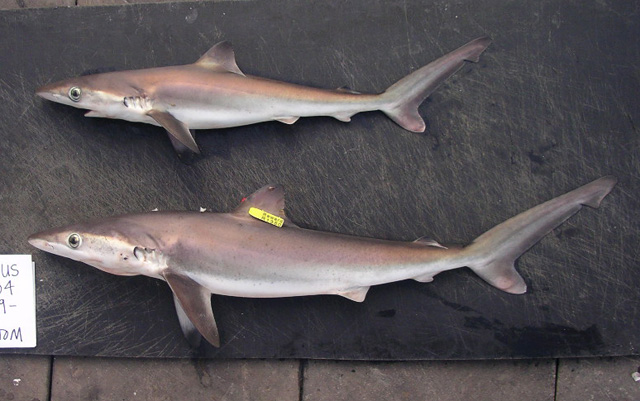
Sizes: Birth: 2.2 ft Maturity: 6-6.2 ft in males & 6.5-6.7 ft in females Max: 9 ft & 169 lbs.
Diet: Squids, flying fishes, butterfishes, scombrids, & seabasses
Distribution: Delaware to Argentina
Habitats: Outer continental shelves of subtropic waters at a depth range of 610-1,200 ft
Reproduction: 12-18 pups per litter after a gestation period of 1 year
Recorded Bites: 0 Bites
Current State Law Status: PROTECTED
Conservation Status: Endangered & Decreasing as of 6/21/2019
Conservation Threats: Overfishing & Bycatch
Nurse Shark
Sizes: Birth: 11-12 inches Maturity: 6.8-7 ft in males & 7.5-7.8 ft in females Max: 10 ft
Maturity Age: Males at 10-15 years & females at 15-20 years Max Age: 25-30 years
Diet: Shrimp, lobsters, crabs, clams, oysters, squid, octopus, sea urchins, conchs, snails, algae, corals, & various reef fishes like grunts, snappers, & lizardfishes.
Distribution: Rhode Island to southern Brazil
Habitats: On or near sandy bottoms, shallow caves, grottos, rock crevices, deeper reefs, rocky bottoms, mangrove forests, coral reefs, seagrass flats, and mangrove islands at depths ranging 10-246 ft
Reproduction: 20-30 pups per litter after 5-6 month gestation period
Recorded Bites: 9 Bites, no fatalities
Current State Law Status: Permitted to be harvested throughout the year with no size limitations, 55 individuals per vessel per voyage
Conservation Status: Vulnerable & Decreasing
Conservation Threats: Industrial development, overfishing, bycatch, recreational activities, wastewater pollution, agricultural runoff, habitat loss, extreme temperature variations, & commercial expansion
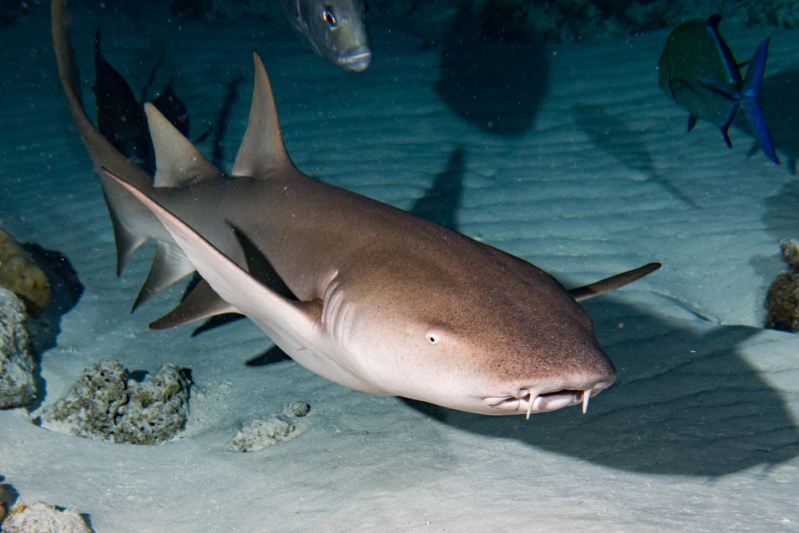
Oceanic Whitetip Shark
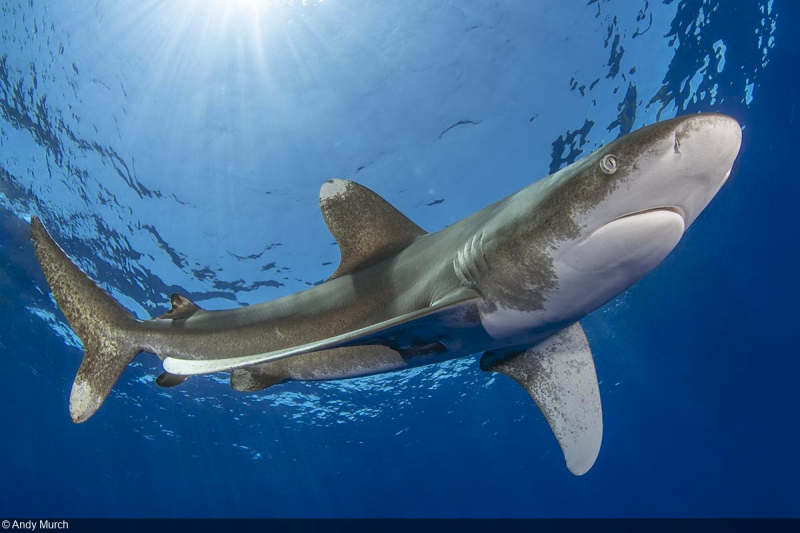
Sizes: Birth: 24-25.6 inches Maturity: 5.6-6.2 ft Max: 10-13 ft & 370 lbs
Maturity Age: 4-5 years
Diet: Lancetfishes, oarfishes, barracudas, jacks, dolphinfishes, marlins, yellowfin tunas, bigeye tunas, mackerels, stingrays, sea turtles, squids, crustaceans, gastropods, seabirds, & carrion
Distribution: Worldwide; subtropical and tropical regions of Maine to Argentina
Habitats: Oceanic surfaces & offshore deep-water areas ranging at depths of 0-656 ft
Reproduction: 1-15 pups after gestation periods of 10-12 months
Recorded Bites: 15 Bites, 3 fatalities
Current State Law Status: PROTECTED
Conservation Status: Endangered & Declining since 11/7/2018
Conservation Threats: Overfishing & Bycatch
Porbeagle Shark
Sizes: Birth: 2.2-2.6 ft Maturity: Males at 5.4-6.8 ft & females at 7.6-8.5 ft Max: 12 ft & 500 lbs.
Maturity Age: 8 years in males & 13 years in females Max Age: 30 years
Diet: Lancetfishes, herrings, sauries, squids, mackerels, squids, cods, flounders, lumpsuckers, & sand lances
Distribution: Greenland & Canada to New Jersey & South Carolina
Habitats: Coastal & open ocean environments at depths up to 2,346 ft at temps ranging 34-64°F
Reproduction: 1-6 pups per litter after gestation period of 8-9 months
Recorded Bites: 2 Non-Fatal Bites
Current State Law Status: N/A
Conservation Status: Vulnerable & Decreasing as of 11/6/2018
Conservation Threats: Overfishing & Bycatch
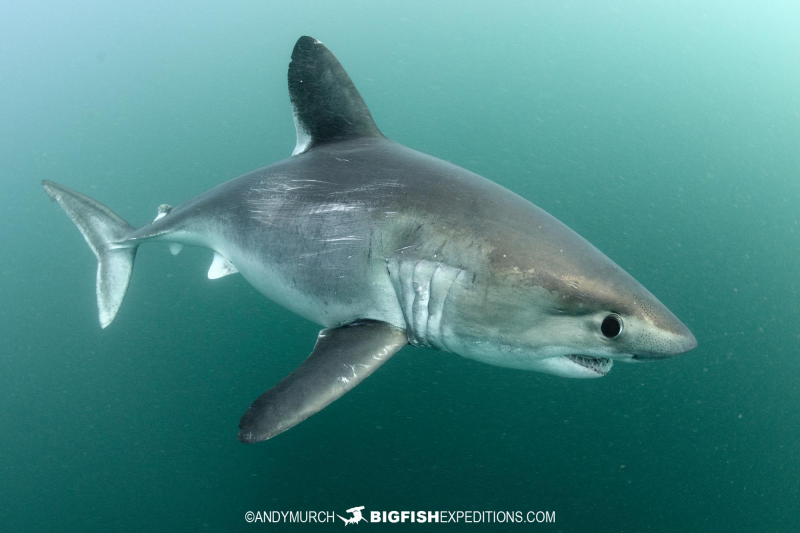
Roughskin Spurdog Shark/Roughskin Dogfish
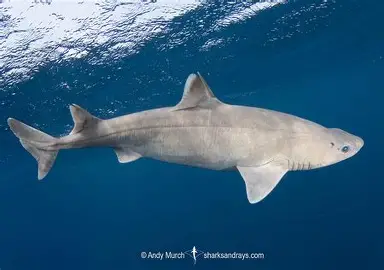
Size: 3.9-4.1 ft
Diet: Bony fishes & squids
Distribution: North Carolina through Florida and into Gulf of Mexico
Habitats: Ocean floors at depths of 240-1,970 ft
Reproduction: 2-22 pups per litter after a gestation period of 18-24 months
Recorded Bites: 0 Bites
Current State Law Status: N/A
Conservation Status: Data Deficient since 11/21/2019
Conservation Threats: Overfishing & Bycatch
Roughtail Catshark
Sizes: 27-31 inches
Diet: Shrimps & Crabs
Distribution: North Carolina to Gulf of Mexico
Habitats: Upper continental & insular slopes on or near ocean floor at depths ranging 958-2,401.5 ft
Reproduction: N/A
Recorded Bites: 0 Bites
Current State Law Status: N/A
Conservation Status: Least Concern & Stable
Conservation Threats: Data Deficient
Sandbar Shark
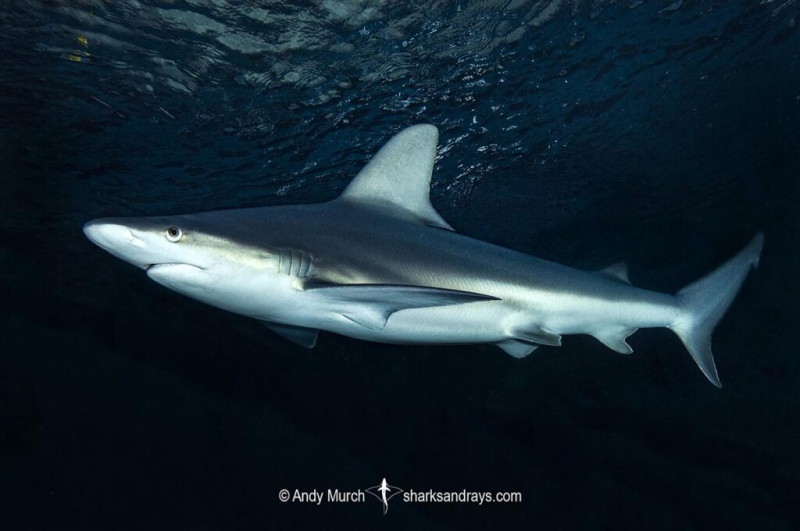
Sizes: Birth: 22-26 inches Maturity: 5.9 ft in males & 6.6-8.2 ft in females Max: 8 ft & 260 lbs.
Diet: Eels, skates, rays, dogfishes, squids, octopuses, bivalves, crabs, shrimp, & various bony fishes
Distribution: Cape Cod to Brazil
Habitats: Continental shelves, oceanic banks, island terraces, harbors, estuaries, bay mouths, river mouths, & the sandy bottoms at depths of 60-200 ft
Reproduction: 6-13 pups per litter after 8-12 month gestation period
Recorded Bites: 5 bites, no fatalities
Current State Law Status: N/A
Conservation Status: Endangered & Decreasing as of 12/3/2020
Conservation Threats: Overfishing, bycatch, & residential and commercial developments
Sand Tiger Shark/Grey Nurse Shark
Sizes: Birth: 39 inches Maturity: 6.5 ft Max: 9.9 ft male & 10.5 ft
Lifespan: 30-35 years
Diet: Herrings, bluefish, eels, mullets, flatfishes, snappers, hakes, porgies, croakers, bonitos, remoras, sea bass, sea robins, rays, squid, lobsters, crabs, & even other sharks
Distribution: Maine to Argentina
Habitats: Surf zones, shallow bays, coral reefs, & rocky bottoms at depths of 6-626 ft
Reproduction: 2 pups per litter after gestation period of 9-12 months
Recorded Bites: 36 Bites, no fatalities
Current State Law Status: PROTECTED
Conservation Status: CRITICALLY ENDANGERED & DECREASING as of 12/7/2020
Conservation Threats: Habitat alteration, overfishing, bycatch, and residential and commercial development
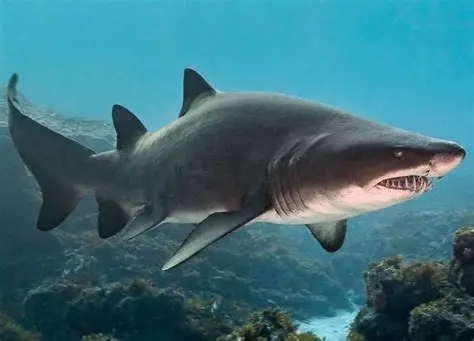
Scalloped Hammerhead Shark
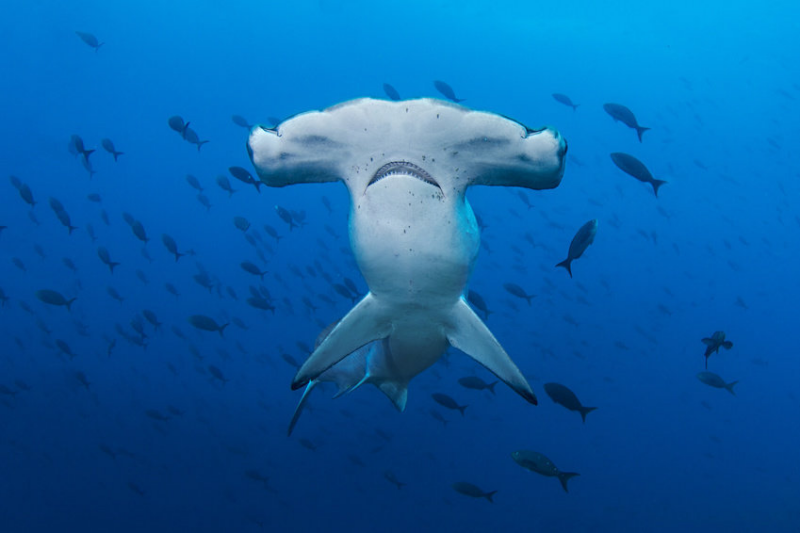
Sizes: Birth: 1.4-2 ft Maturity: 4.9-5.9 ft & 64 lbs. in males & females at 8.2 ft 80-176 lbs. Max: 11-14 ft
Max Age: 30 years
Diet: Conger eels, octopuses, squid, sardines and reef fishes
Distribution: New Jersey to Brazil including the Gulf of Mexico & Caribbean
Habitats: Continental and insular shelves, & adjacent deep waters at depths up to 902 ft
Reproduction: 12-41 pups per litter after gestation period of 9-12 months
Recorded Bites: 18 possible bites, no fatalities
Current State Law Status: Harvesting permitted year round with very little size restrictions, 55 individuals per vessel per voyage
Conservation Status: CRITICALLY ENDANGERED & DECREASING as of 11/8/2018
Conservation Threats: Habitat degradation, slow reproductive rates, overfishing, & bycatch.
Sharpnose Sevengill Shark
Sizes: Birth: 0.8 ft Maturity: 2.4-2.8 ft in males & 3-3.3 ft in females Max: 4.6 ft
Diet: Shrimps, crabs, lobsters, squids, cuttlefishes, other sharks, rays, & hakes
Distribution: North Carolina to Mexico
Habitats: On or near bottoms and surfaces of outer continental & insular shelves at depths of 89-3,280 ft
Reproduction: 9-20 pups per litter
Recorded Bites: 0 Bites
Current State Law Status: N/A
Conservation Status: Near Threatened & Decreasing as of 11/21/2019
Conservation Threats: Overfishing & Bycatch
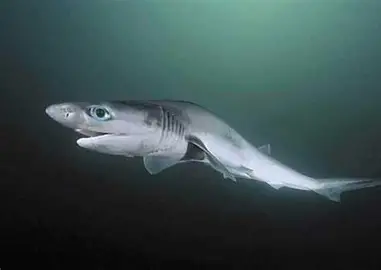
Shortfin Mako Shark
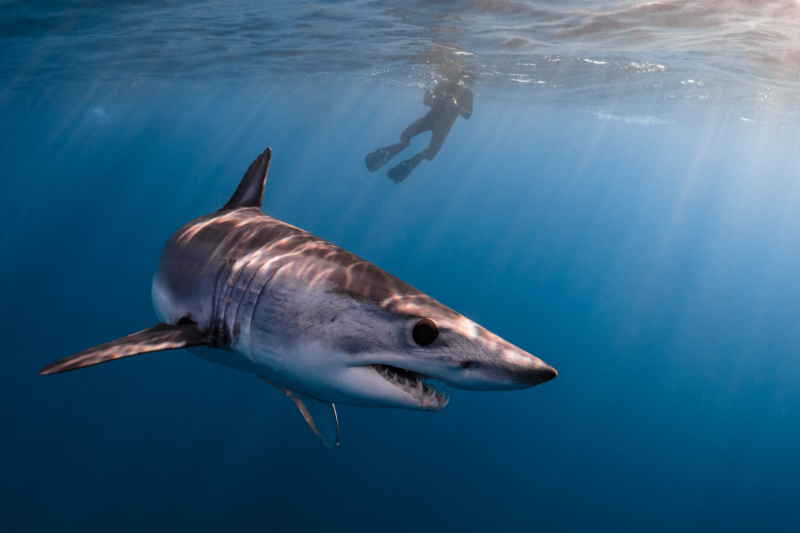
Sizes: Birth: 23.6-27.5 inches Maturity: Males at 6.5-7 ft & females at 9-9.5 years Max: 13 ft
Maturity Age: Males at 7-9 years & females at 18-21 years Max Age: 30+ years
Top Speed: 45 miles per hour and breach 20 ft out of the surface, fastest shark speed
Diet: Seabirds, swordfish, tuna, squid, other sharks, dolphins, seals, sea otters, porpoises, sea turtles, mackerel, bonito, sea lions, & various forms of carrion
Distribution: Worldwide; Grand Banks, Canada to Argentina, including Gulf of Mexico & Caribbean Sea
Habitats: depths up to 1,640 ft at 60°F
Reproduction: 4-25 pups after 15-18 gestation period
Recorded Bites: 10 bites, 1 fatality
Current State Law Status: PROTECTED
Conservation Status: Endangered & Decreasing as of 11/5/2018
Conservation Threats: Recreational activities, overfishing, & bycatch
Shortspine Spurdog Shark
Size: 30-50 inches
Maturity Age: Max Age:
Diet: Hakes, snoeks, conger eels, lanternfish, cephalopods, & crustaceans
Distribution: North Carolina to Argentina, including Gulf of Mexico
Habitats: Upper slopes & continental and insular shelves in temperate & subtropical regions
Reproduction: N/A
Recorded Bites: 0 Bites
Current State Law Status: N/A
Conservation Status: Endangered & Decreasing as of 11/21/2019
Conservation Threats: Bycatch & Overfishing
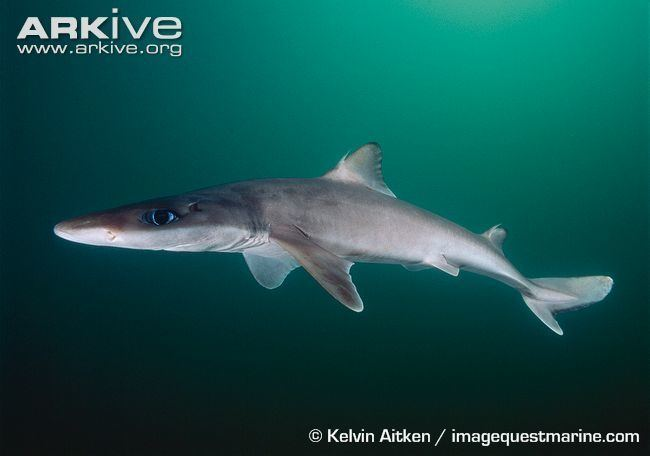
Smalltail Shark
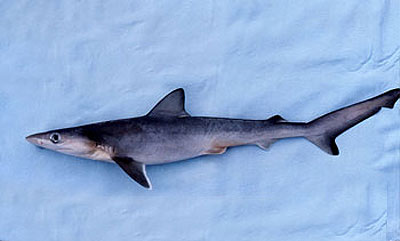
Sizes: Birth: 12.2-15.7 inches Maturity: Males at 2.5 ft & females at 2.8 ft Max: 4.4 ft
Diet: Catfishes, croakers, jacks, grunts, shrimp, crabs, & even young sharks
Distribution: Primarily Gulf of Mexico but also found in the Carolinas
Habitats: Murky sea floors at depths of up to 118 ft
Reproduction: 2-9 pups after gestation period of 10+ months
Recorded Bites: 0 Bites
Current State Law Status: PROTECTED
Conservation Status: CRITICALLY ENDANGERED & DECREASING as of 6/21/2019
Conservation Threats: Overfishing & Bycatch
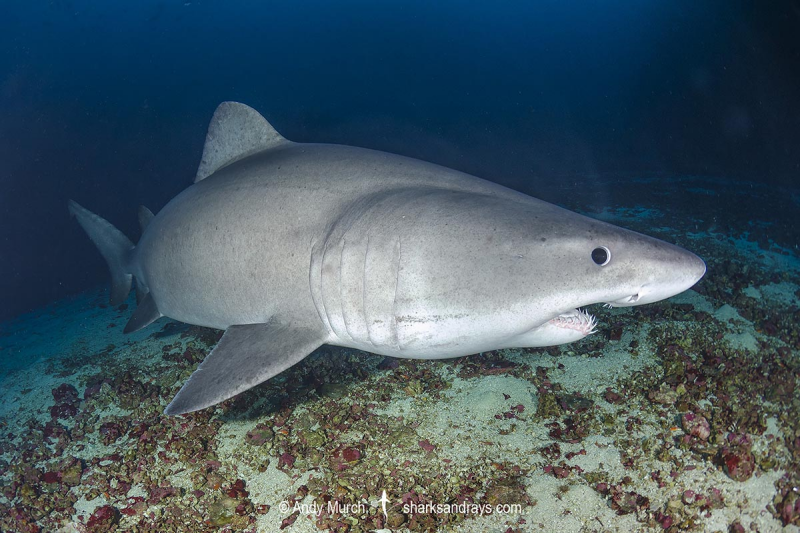
Smalltooth Sand Tiger Shark
Size: 12-17 ft
Diet: Crabs, lobsters, squids, octopuses, shrimps, rockfishes, rays, chimaeras, & isopods
Distribution: Delaware to southeastern North Carolina
Habitats: Warm-temperate & tropical waters along the continental/insular shelves & upper slopes at depths of 33-3,330 ft
Reproduction: Not Confirmed, but believed to be similar to Sand Tiger Shark
Recorded Bites: 0 bites
Current State Law Status: N/A
Conservation Status: Endangered & Decreasing as of 6/1/2023
Conservation Threats: Overfishing & Bycatch
Smooth Dogfish/Dusky Smoothhound
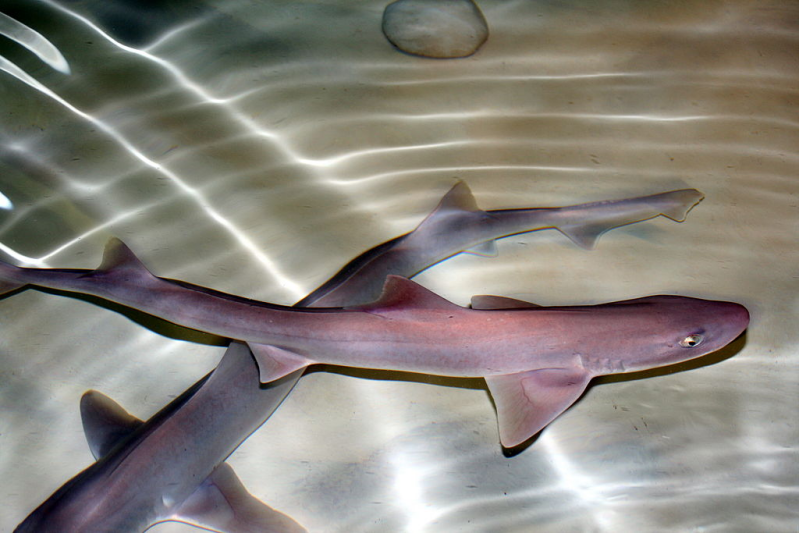
Sizes: Birth: 13-15 inches Maturity: Males at 27-37 inches & females at 28-51 inches Max: 59 inches & 27 lbs.
Maturity Age: Males at 2-3 years & females at 4-5 years Max Age: 7-8 years
Diet: Shrimps, crabs, worms, tautogs, menhadens, lobsters, smaller fish, and mollusks
Distribution: Massachusetts to Florida
Habitats: Bays, continental shelves, & other inshore waters at depths of 60 feet or shallower
Reproduction: 4-20 pups after gestation period of 10-11 months
Recorded Bites: 0 Bites
Current State Law Status: N/A
Conservation Status: Near Threatened & Decreasing as of 6/31/2019
Conservation Threats: Overfishing & Bycatch
Smooth Hammerhead Shark
Sizes: Birth: 20-24 inches Maturity: Males at 8.2-8.5 ft & females at 8.7 ft Max: 12-13 ft
Diet: Herrings, menhadens, pilchards, seabasses, Spanish mackerels, squids, cuttlefishes, rays, other sharks, dolphins, crustaceans, & various carrion
Distribution: Canada to the Virgin Islands
Habitats: shores, continental shelves, freshwater rivers, bays, & estuaries at depths less than 65 ft
Reproduction: 20-50 pups per litter after 10-11 month gestation
Recorded Bites: 18 Possible Bites, no fatalities
Current State Law Status: Harvesting permitted year round with very little size restrictions, 55 individuals per vessel per voyage
Conservation Status: Vulnerable & Decreasing as of 11/8/2018
Conservation Threats: Overfishing & Bycatch
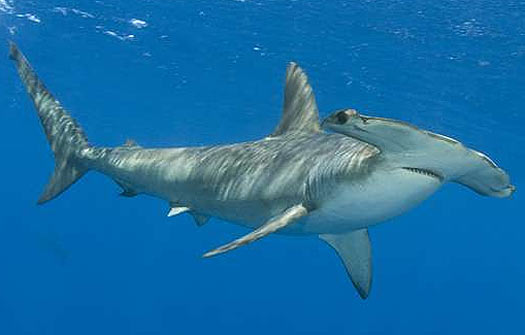
Spinner Shark

Sizes: Birth: 24-30 inches Maturity: Males at 4 ft and females at 5 ft Max: 9.1 ft
Diet: Ladyfishes, sardines, herrings, anchovies, sea catfishes, lizardfishes, mullets, bluefishes, tunas, bonitos, croakers, jacks, mojarras, grunts, tongue-soles, squids, octopuses, cuttlefishes, rays, other sharks, & carrion
Distribution: Cape Cod to Brazil
Habitats: Inshore & offshore waters across continental & insular shelves at depths up to 328 ft
Reproduction: 3-20 pups per litter after gestation period of 11-15 months
Recorded Bites: 16 Bites, no fatalities
Current State Law Status: Permitted to be harvested throughout the year with no size limitations, 55 individuals per vessel per voyage
Conservation Status: Vulnerable & Decreasing as of 2/11/2020
Conservation Threats: Overfishing & Bycatch
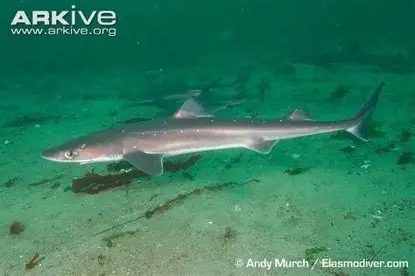
Spiny Dogfish
Sizes: Birth: 8-13 inches Maturity: Males at 2 ft & females at 2.5 ft and 7.1-9.9 lbs. Max: Males at 3.25 ft & females at 4 ft and 21.6 lbs.
Maturity Age: Males at 6 years & females 12 years Max Age: 70 years
Diet: Herrings, mackerels, menhadens, capelins, sand lances, wolf fishes, flatfishes, squids, jellyfishes, shrimps, crabs, octopuses, and sea cucumbers.
Distribution: Greenland to Argentina
Habitats: inshore, including brackish, & offshore waters along continental shelves at depths up to 2,950 ft
Reproduction: 1-15 pups per litter after a gestation period of 17-19 months
Recorded Bites: 0 Bites
Current State Law Status: Permitted to be harvested throughout the year with no size limitations, 55 individuals per vessel per voyage
Conservation Status: Vulnerable & Decreasing as of 11/21/2019
Conservation Threats: Merchandising, Overfishing, & Bycatch
Thresher Shark**
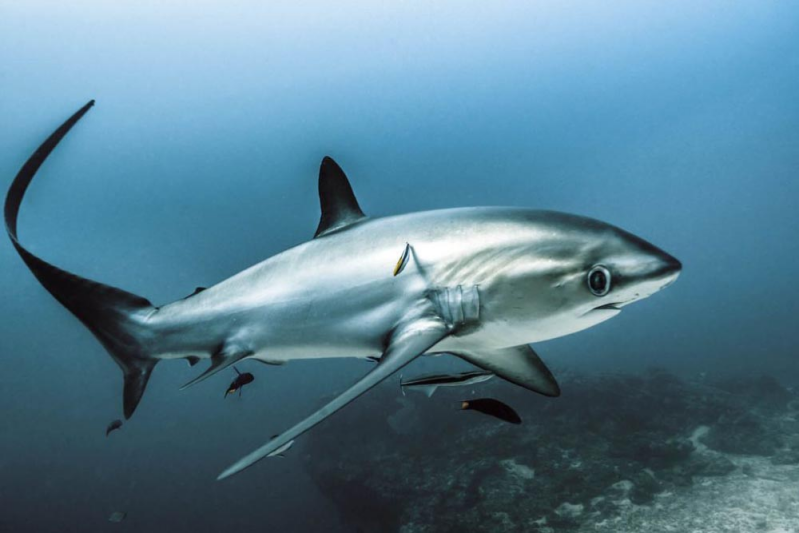
Sizes: Birth: 3.7-5 ft Maturity: Males at 10.5 ft & females at 8.5-14.8 ft Max: 25 ft & 750 lbs.
Lifespan: 50 years
Diet: Herrings, menhadens, Atlantic sauries, sand lances, mackerels, butterfishes, bluefishes, bonitos, squids, & sea birds.
Distribution: Newfoundland to Cuba
Habitats: Continental shelf, coastal bays, & nearshore waters at depths up to 1,800 ft
Reproduction: 2-4 pups per litter after gestation period of 9 months
Recorded Bites: 0 Bites
Current State Law Status: Permitted to be harvested throughout the year with no size limitations, 55 individuals per vessel per voyage
Conservation Status: Vulnerable & Decreasing as of 11/6/2018
Conservation Threats: Overfishing & Bycatch
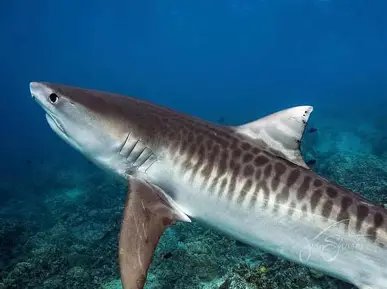
Tiger Shark
Sizes: Birth: 1-1.5 ft Maturity: Males at 7-9 ft & females at 8-10 ft Max: 18 ft & 2,000 lbs
Diet: Carrion, sea turtles, rays, smaller sharks, bony fishes, squids, seabirds, dolphins, & crustaceans
Distribution: Cape Cod to the Gulf of Mexico & the Caribbean
Habitats: Murky coastal waters, tropical waters, river estuaries, harbors, inlets, lagoons, & coral atolls of oceanic islands
Reproduction: 10-82 pups per litter after gestation period of 13-16 months
Recorded Bites: 142 Bites, 39 fatalities
Current State Law Status: Permitted to be harvested throughout the year with no size limitations, 55 individuals per vessel per voyage
Conservation Status: Near Threatened & Decreasing as of 8/10/2018
Conservation Threats: Overfishing & Bycatch
Whale Shark*
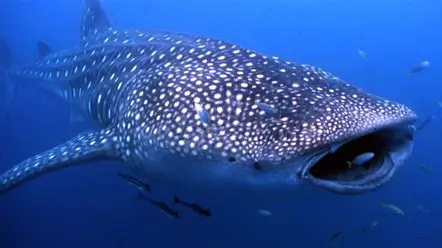
Sizes: Birth: 21.7-25.2 inches Maturity: 29.5 ft Max: 65 ft
Lifespan: 60 years
Diet: unas, squids, small crustaceans, schooling fish, macroalgae, & phytoplankton
Distribution: Global except for the Mediterranean Sea; New York through the Caribbean to Central Brazil
Habitats: Tropical & warm temperate waters
Reproduction: 300 pups per litter after gestation period of 16 months
Recorded Bites: 0 Bites
Current State Law Status: PROTECTED
Conservation Status: Endangered & Decreasing as of 3/31/2025
Conservation Threats: Shipping lanes, finning, climate change, tourism, oil/gas drilling, overfishing, & bycatch.
White-Saddled Catshark
Sizes: Males at 1.3 ft & females at 1.5 ft
Diet: Varieties of small invertebrates & bony fishes
Distribution: North Carolina through the Caribbean to South America
Habitats: On or near bottoms of the upper continental slope
Reproduction: 2 eggs at a time
Recorded Bites: 0 Bites
Current State Law Status: N/A
Conservation Status: Least Concern & Stable as of 6/21/2019
Conservation Threats: Data Deficient